
 Victoria
BuyerRank is reader-supported. We may earn a commission when you buy through links on this page, at no extra cost to you. As an Amazon Associate, we earn from qualifying purchases. Prices and availability are accurate as of the date of publication and can change at any time — please check the retailer for the current price. Learn more. Written by Victoria — how we choose what to recommend.
Our quick picks
Ranked by what each one is best at, not by a score we made up. Ratings are what the product showed on Amazon when we last checked — how we rank.
- The one to buy if your neighbor’s bedroom window faces your lawn.
- Robot mowers earn their keep partly by running at hours you would never push a mower yourself, and that only works if they are quiet.
- All-wheel drive and a stated 80% slope rating – nothing else here comes close.
- Slope is where most robot mowers simply stop being an option.
- The setup and control software most likely to stay out of your way.
- You interact with a robot mower almost entirely through its app: zones, schedules, no-go areas, rain delays.
- Built for area, with wireless perimeter setup to match.
- The YUKA 2000 sits at the larger end of the domestic range, with AI vision navigation and a 45% slope rating.
- 3D obstacle avoidance and zero-edge cutting – the two things that leave a lawn looking finished.
- Two problems define how a robot-mown lawn looks: what happens near obstacles, and what happens at the edges.
- The least intimidating way into robot mowing.
- Setup is where most people give up on this category.
- Two acres, wire-free, from the brand that has been doing this longest.
- Husqvarna has been building robot mowers for decades, and the 440iQ is aimed squarely at properties measured in acres rather than square meters.
- RTK plus vision – the most precise positioning system available domestically.
- RTK positioning works to centimeter accuracy, which is why it has become the standard for wire-free mowers that need to cut right up to a boundary without crossing it.
- Small machine, 50% slope rating – an unusual combination.
- Most compact mowers are built for small flat lawns, which leaves people with small awkward sloped gardens without an option.
- RTK and vision navigation without the premium badge.
- The RTK+4 brings the same wire-free navigation approach as more expensive machines – RTK positioning combined with vision – at a more accessible price.
The reasoning, the specifications that actually matter and every drawback are below.
Robot mowers stopped being a novelty the moment they stopped needing a perimeter wire buried around the lawn. That single change — from wire to GPS, RTK or vision navigation — turned a weekend of trenching into an afternoon of app setup, and it is why this category looks completely different from five years ago.
What has not changed is that the specification that matters most is not the one on the front of the box. Cutting width and battery life are secondary. Slope rating, area coverage and how the machine navigates under trees are what decide whether the mower works in your garden or sits in the shed. We picked ten machines across those constraints.
A note on method: we have not run these mowers on our own lawns. Our picks are based on manufacturer specifications, navigation technology and patterns across owner reports. Slope and area ratings are manufacturer figures measured in ideal conditions — treat them as upper bounds, particularly in wet grass.
What got a product on this list
We started with current wire-free models and removed anything still requiring a buried perimeter wire, along with machines without app control or clear support arrangements. What remained, we sorted on:
- Slope rating. The specification that eliminates machines fastest. Most gardens have at least one awkward gradient.
- Navigation technology. RTK is precise but needs sky view. Vision handles trees but needs light. The best machines combine both.
- Realistic area coverage. A mower at the limit of its rated area runs constantly and still leaves the lawn uneven.
- Obstacle handling. A garden with furniture, toys and pets is a different problem from an empty rectangle.
Each pick gets a role rather than a rank, because an acreage machine and a compact slope handler are not competing for the same garden.
Our picks, in one table
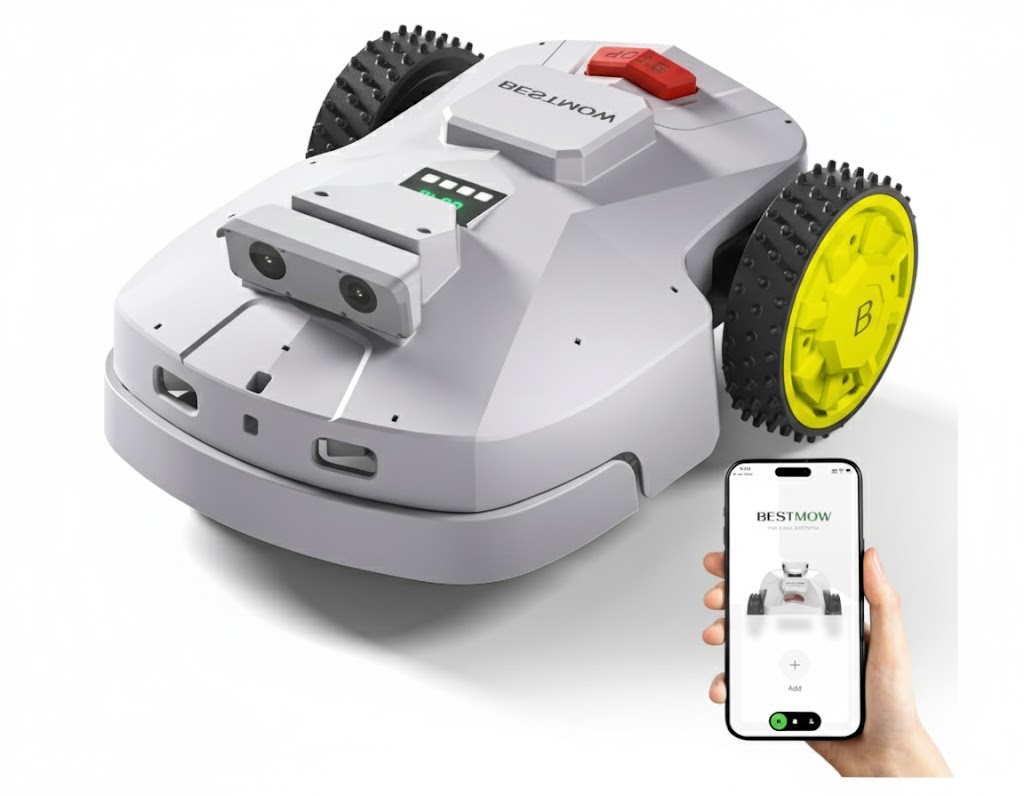
BESTMOW Smart Robot Lawn Mower
Ultra-quiet operation keeps every mowing session peaceful, while built-in GPS mapping delivers precise, efficient cutting. Plus, advanced anti-theft technology adds an extra layer of security for complete peace of mind
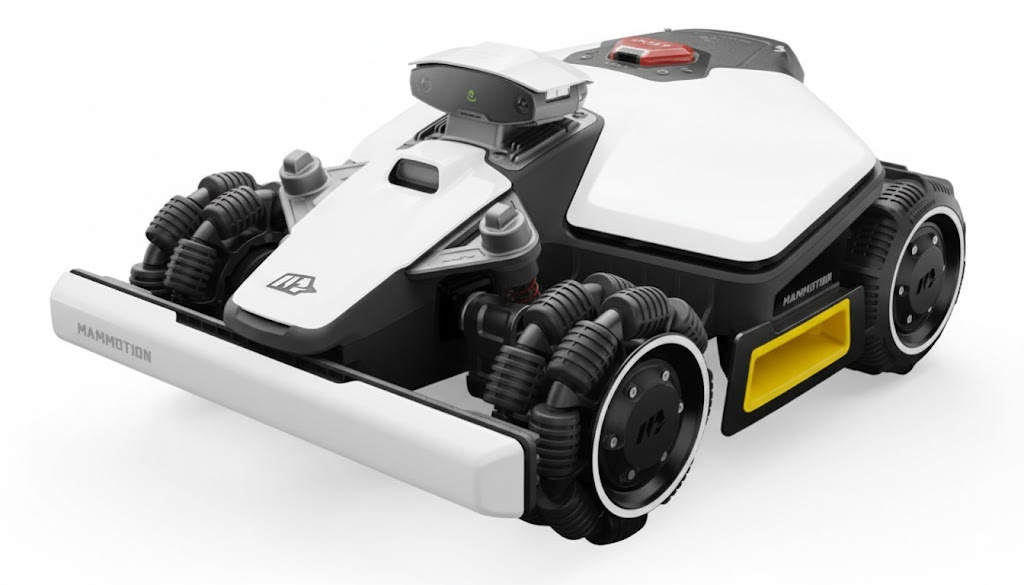
Mammotion LUBA Mini AWD 1500 Smart Robot Mower
It handles steep slopes up to 80% with ease, requires no perimeter wire for setup, and uses smart AI vision to map your lawn with impressive precision
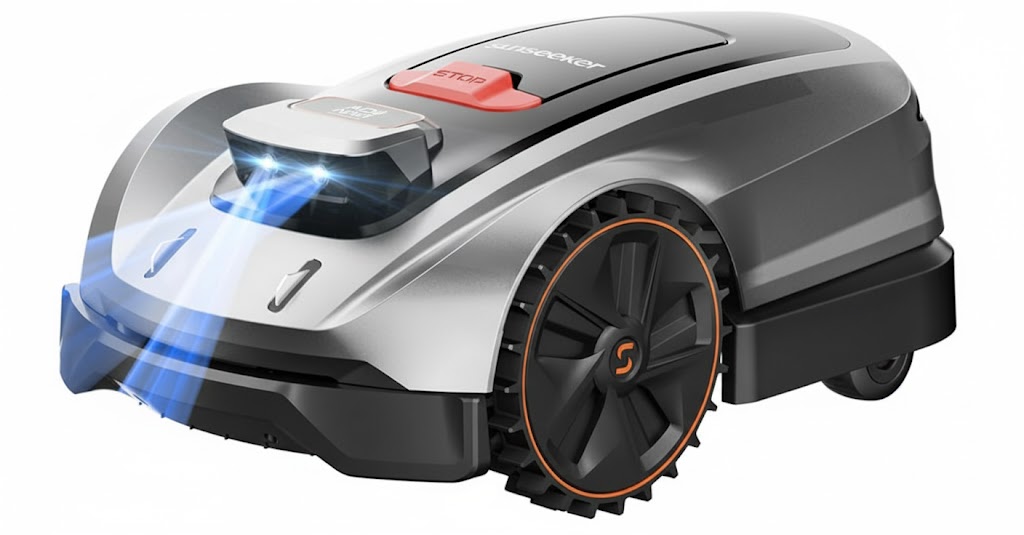
Sunseeker X3 Plus Smart Robot Lawn Mower
No boundary wire is required for setup, the smart app control makes operation effortless, and advanced AI navigation ensures every mow is clean and precise
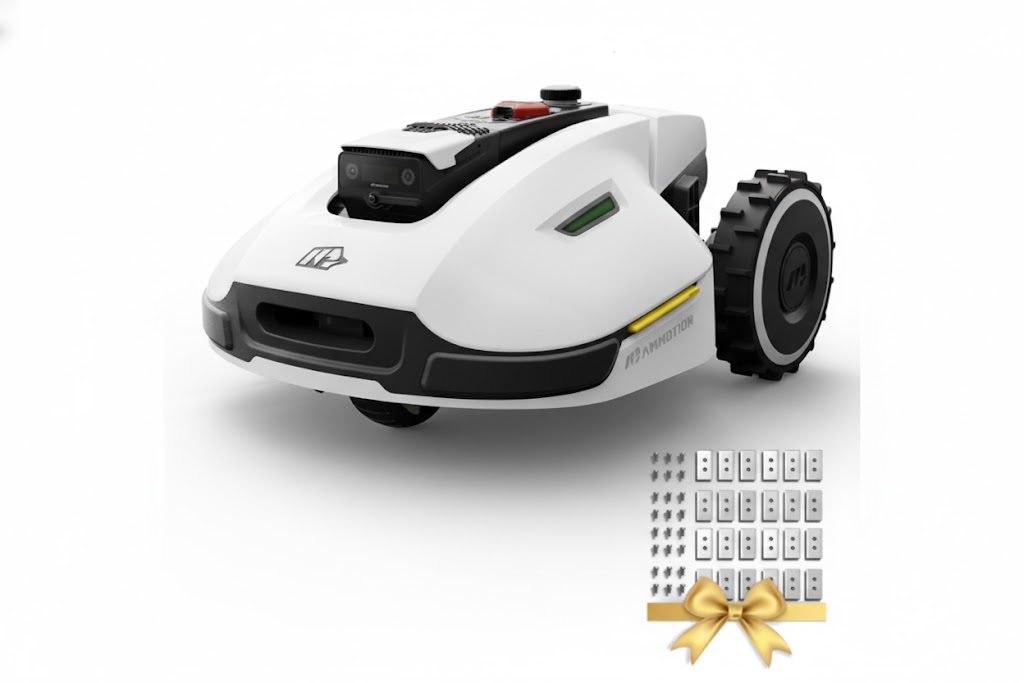
Mammotion YUKA 2000 Smart Robot Lawn Mower
Advanced AI vision delivers precise navigation, it tackles slopes up to 45% with confidence, and the wireless perimeter setup makes installation quick and simple
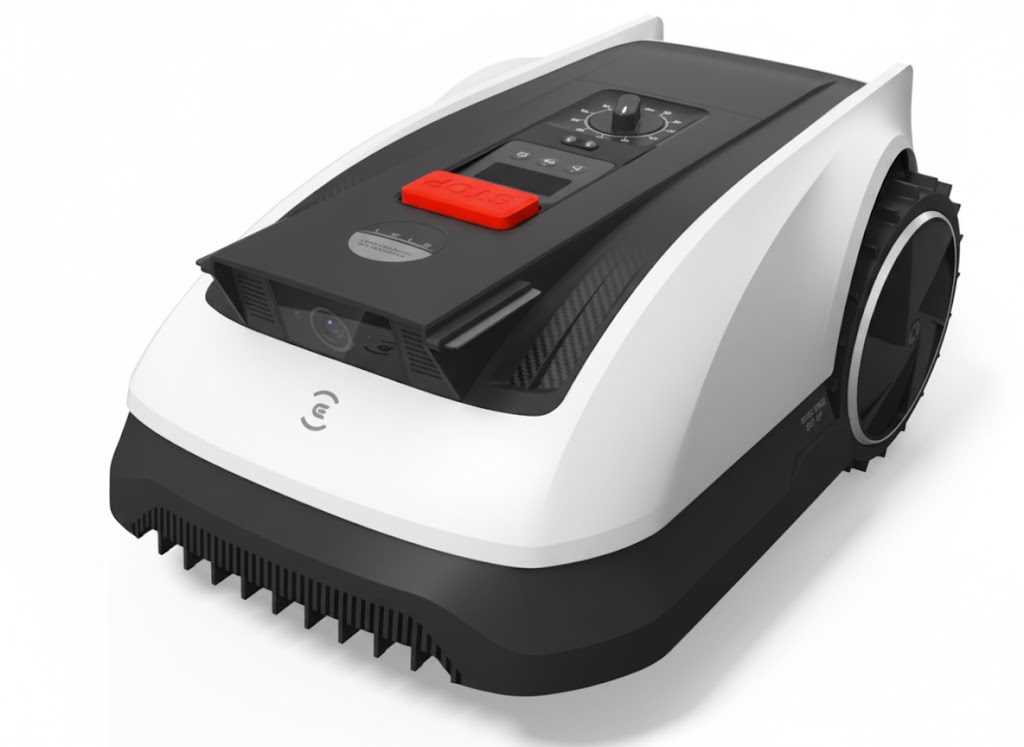
ECOVACS Goat O1000 Vision Smart Robot Lawnmower
No perimeter wire is required, advanced 3D obstacle avoidance keeps mowing smooth and safe, and zero-edge cutting delivers a clean, precise lawn finish
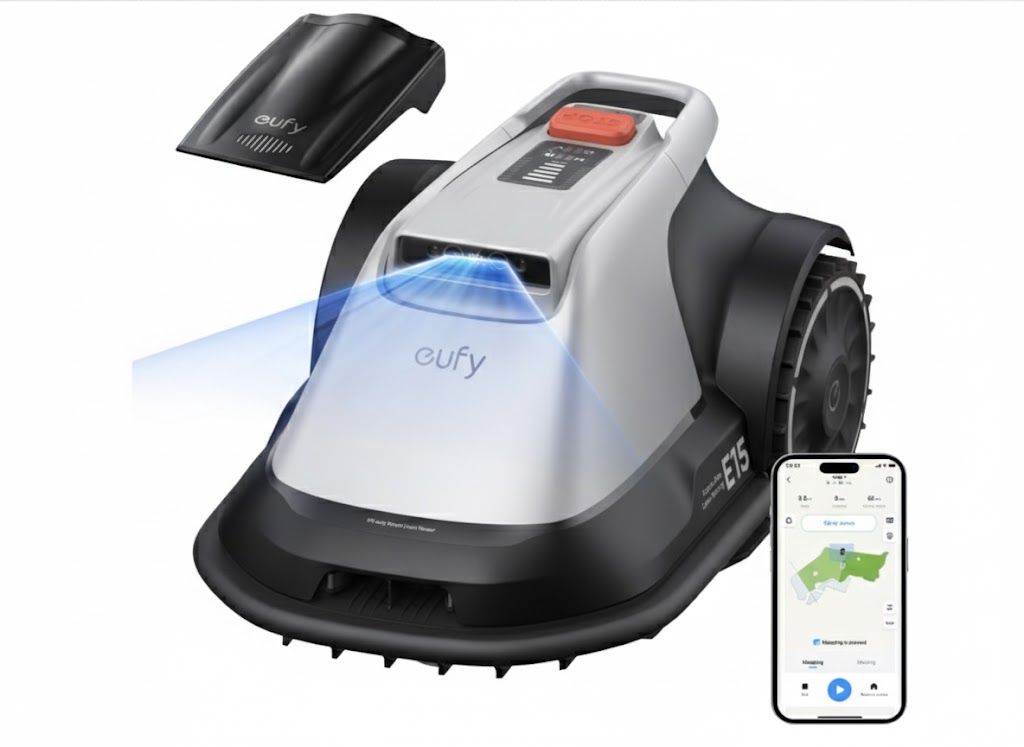
Eufy E15 Smart Robot Lawn Mower
Setup is completely hassle-free with no wiring needed, smart obstacle avoidance keeps mowing uninterrupted, and the whole system offers a reliable, low-maintenance lawn-care solution
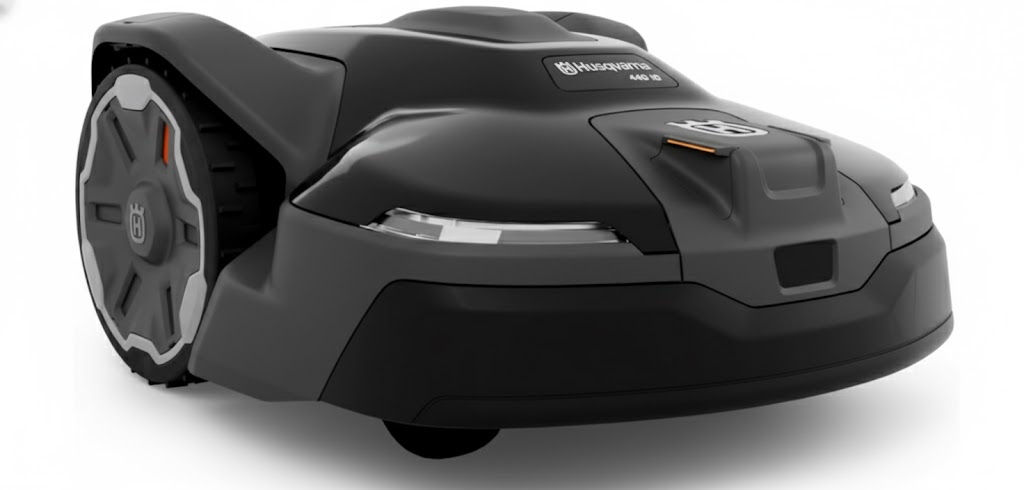
Husqvarna 440iQ Smart Robotic Lawn Mower
It effortlessly covers up to 2 acres, runs completely wire-free for a simple setup, and comes with both charging and reference stations for smooth, reliable operation
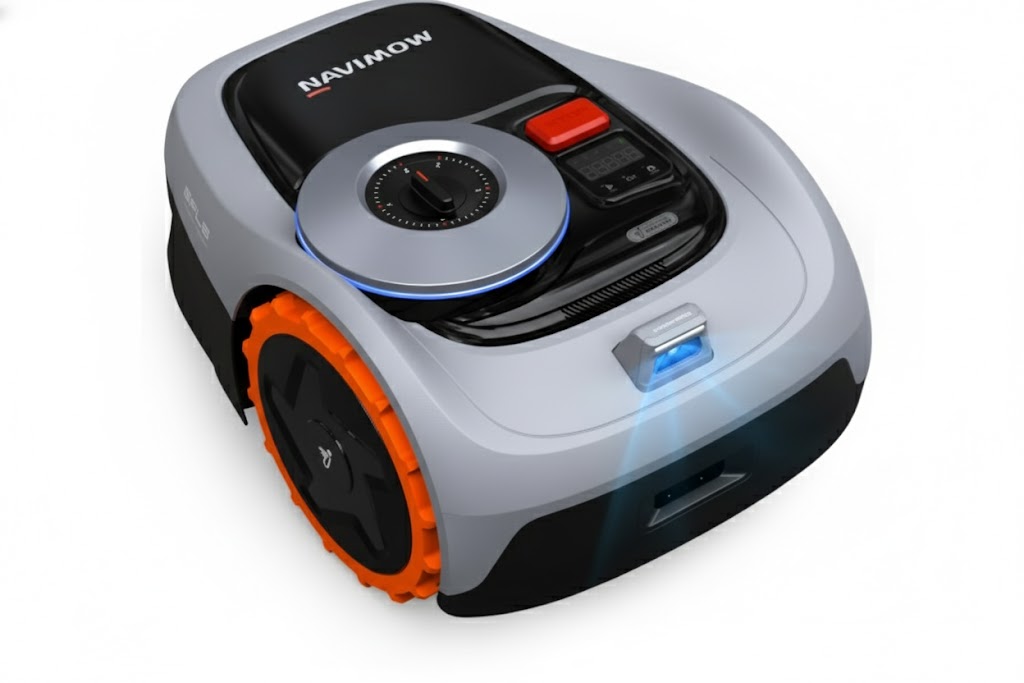
Navimow i105N Smart Robot Lawn Mower
No perimeter wire is required thanks to RTK+Vision technology, it operates quietly at just 58 dB(A), and you can control everything easily through the smartphone app
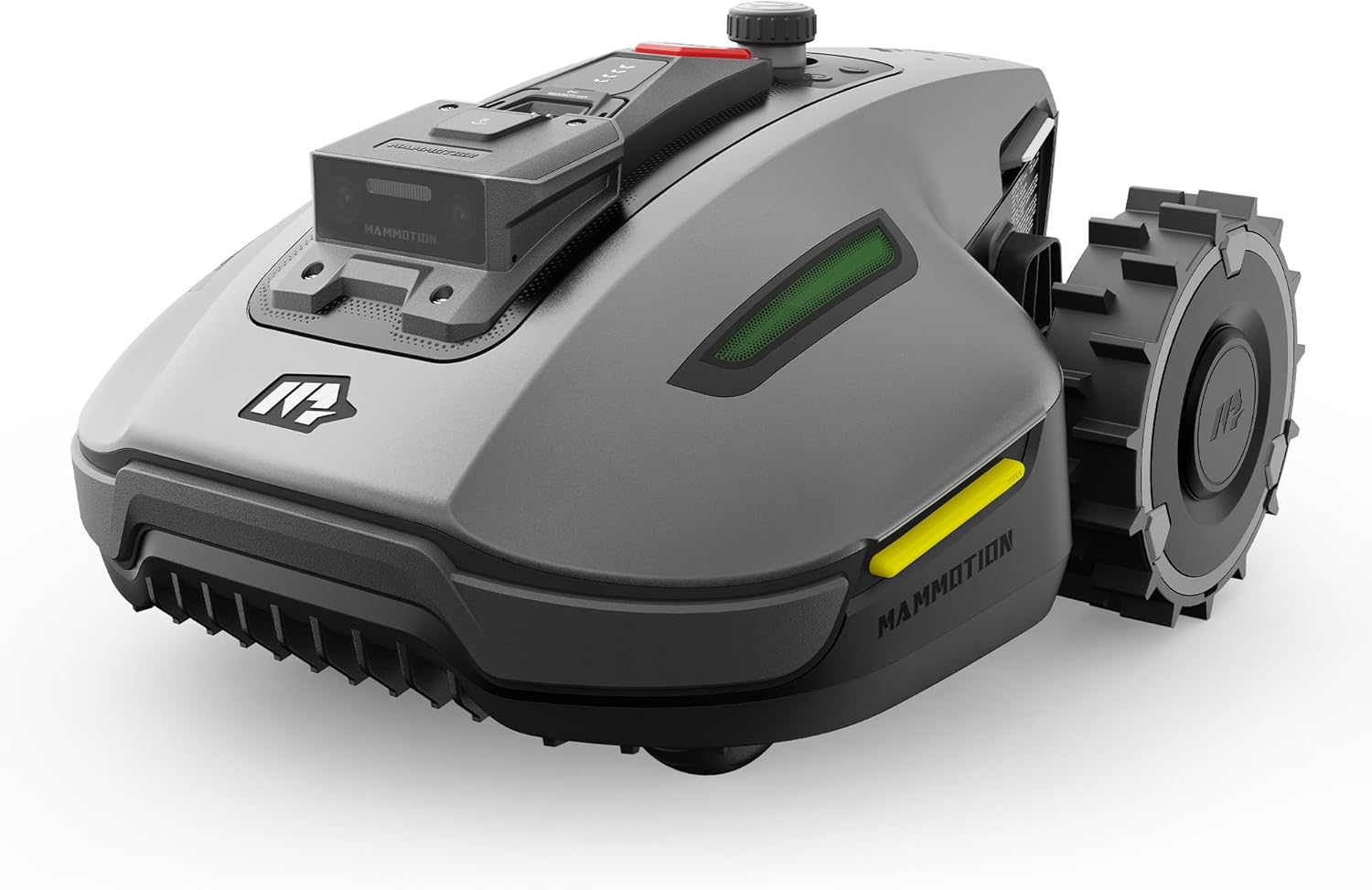
Mammotion YUKA Mini 700 Smart Lawn Mower
No perimeter wire is needed for setup, it confidently handles slopes up to 50%, and the easy app control with built-in mapping makes operation simple and smooth
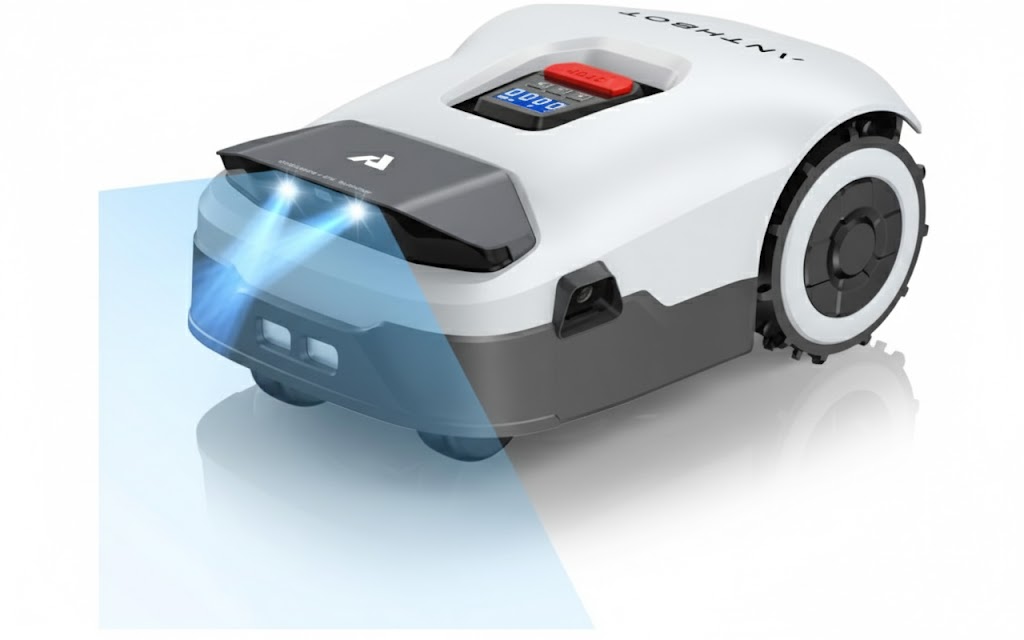
ANTHBOT RTK+4 Smart Robotic Lawnmower
It offers a completely wire-free setup with no installation hassle, delivers precise navigation using RTK and vision technology, and provides smart app control for simple, effortless lawn management
The 10 Best Robot Lawn Mowers, Reviewed
1. BESTMOW Smart Robot Lawn Mower — Best Quiet Operation
The one to buy if your neighbor’s bedroom window faces your lawn.
Robot mowers earn their keep partly by running at hours you would never push a mower yourself, and that only works if they are quiet. BESTMOW leans on quiet running plus GPS mapping, which handles navigation without a buried perimeter wire — the single biggest improvement in this category over the last few years.
What we like
- Quiet enough to run early morning or late evening
- GPS mapping, so no perimeter wire to bury
- App scheduling for unattended operation
- Sensible choice for suburban gardens with close neighbors
The catch
- GPS navigation degrades under dense tree cover
- Quiet running usually means a narrower cutting deck and more passes
- Not intended for very large or steeply sloped lawns
- Satellite-based systems need a clear sky view at the base station
Right for: suburban lawns with neighbors nearby. Skip it if: your garden is heavily wooded or steeply sloped.
Check the current price on Amazon →
2. Mammotion LUBA Mini AWD 1500 — Best for Steep Slopes
All-wheel drive and a stated 80% slope rating — nothing else here comes close.
Slope is where most robot mowers simply stop being an option. An 80% gradient is severe, and all-wheel drive is what makes it possible rather than a marketing number. If your lawn has a bank, a terrace or an awkward incline, this is the category of machine you need rather than a standard two-wheel-drive unit.
What we like
- All-wheel drive, rated to 80% slopes by the manufacturer
- No perimeter wire — AI vision mapping instead
- Handles terrain that rules out most competitors
- Compact enough for the awkward shapes that come with sloped gardens
Where it falls short
- Slope ratings are manufacturer figures measured in ideal conditions — wet grass changes everything
- AWD drivetrains have more moving parts to maintain
- More expensive than flat-lawn mowers of similar cutting capacity
- Overkill on a level garden
Right for: banked, terraced or sloped lawns. Skip it if: your lawn is flat — you are paying for capability you will not use.
Check the current price on Amazon →
3. Sunseeker X3 Plus Smart Robot Lawn Mower — Best App Experience
The setup and control software most likely to stay out of your way.
You interact with a robot mower almost entirely through its app: zones, schedules, no-go areas, rain delays. When that software is bad, the machine is frustrating regardless of how well it cuts. The X3 Plus pairs wire-free AI navigation with app control that handles the daily business without fuss.
What we like
- No boundary wire to install
- App control that handles zones and scheduling cleanly
- AI navigation adapts to garden layout
- Setup is achievable without professional installation
What owners complain about
- App-dependent — a poor phone signal at the bottom of the garden is a real limitation
- AI vision struggles in low light and heavy shade
- Firmware updates are part of ownership
- Mid-range slope capability only
Right for: people who want to set zones and forget about it. Skip it if: you would rather not manage another app.
Check the current price on Amazon →
4. Mammotion YUKA 2000 Smart Robot Lawn Mower — Best for Large Gardens
Built for area, with wireless perimeter setup to match.
The YUKA 2000 sits at the larger end of the domestic range, with AI vision navigation and a 45% slope rating. Large-area mowers matter because coverage is not linear — a machine at the edge of its rated area will run constantly and still leave the lawn looking uneven.
What we like
- Sized for large lawns
- 45% slope rating covers most gardens that are not banked
- AI vision navigation without perimeter wire
- Zone management suited to gardens split into sections
The downside
- Large machines need somewhere to live and charge
- 45% is well short of the AWD models if your lawn is steep
- Vision systems need reasonable light to navigate well
- Higher purchase cost than small-area mowers
Right for: large suburban and rural lawns. Skip it if: your lawn is small — buy for your area, not aspirationally.
Check the current price on Amazon →
5. ECOVACS Goat O1000 Vision Smart Robot Lawnmower — Best Obstacle Avoidance
3D obstacle avoidance and zero-edge cutting — the two things that leave a lawn looking finished.
Two problems define how a robot-mown lawn looks: what happens near obstacles, and what happens at the edges. The Goat O1000 addresses both, with 3D obstacle detection to navigate around garden furniture, toys and pets, and zero-edge cutting to reduce the strip of uncut grass every robot mower leaves along walls and beds.
What we like
- 3D obstacle avoidance handles a garden that is actually used
- Zero-edge cutting reduces the untidy border strip
- No perimeter wire needed
- Better than most at gardens with furniture, planters and play equipment
What you give up
- Vision-based obstacle detection is not infallible — supervise around pets and small children
- More sensors means more to keep clean and functioning
- Edge cutting still will not match a strimmer against a wall
- Premium pricing for the sensor package
Right for: family gardens with obstacles and tidy edges. Skip it if: your lawn is an open rectangle.
Check the current price on Amazon →
6. Eufy E15 Smart Robot Lawn Mower — Best for a Simple Start
The least intimidating way into robot mowing.
Setup is where most people give up on this category. The E15 is built around removing that barrier entirely — no wiring, obstacle avoidance that handles a normal garden, and a system designed to be running the same afternoon it arrives. For a small to mid-sized lawn, that simplicity is worth more than specification headroom.
What we like
- Truly straightforward setup with no wiring
- Sensible obstacle avoidance for everyday garden clutter
- Well suited to small and mid-sized lawns
- Lower entry cost than large-area machines
The part that annoys people
- Limited area coverage — not for large gardens
- Modest slope capability
- Fewer advanced zone features than higher-end models
- Simplicity means less control for people who want it
Right for: first-time buyers with a normal suburban lawn. Skip it if: your garden is large, steep or complicated.
Check the current price on Amazon →
7. Husqvarna 440iQ Smart Robotic Lawn Mower — Best for Acreage
Two acres, wire-free, from the brand that has been doing this longest.
Husqvarna has been building robot mowers for decades, and the 440iQ is aimed squarely at properties measured in acres rather than square meters. It ships with both a charging station and a reference station, which is what makes wire-free navigation reliable over a large area. Dealer support is the other reason to consider this over a newer brand at this size.
What we like
- Rated for up to 2 acres
- Charging and reference stations included for reliable wire-free navigation
- Established brand with dealer and parts support
- Built for long-term continuous operation
Where it disappoints
- Priced for acreage, not for a suburban back garden
- Reference station needs careful siting for good coverage
- Large machine requiring dedicated storage and charging space
- Complete overkill for a small lawn
Right for: properties of an acre or more. Skip it if: you have a normal suburban garden.
Check the current price on Amazon →
8. Navimow i105N Smart Robot Lawn Mower — Best Navigation Accuracy
RTK plus vision — the most precise positioning system available domestically.
RTK positioning works to centimeter accuracy, which is why it has become the standard for wire-free mowers that need to cut right up to a boundary without crossing it. Combining it with vision covers RTK’s weakness: signal loss under trees. At 58 dB(A) it is also among the quieter machines here.
What we like
- RTK plus vision gives precise boundaries without a wire
- 58 dB(A) — quiet enough for evening operation
- App control with straightforward zone setup
- Accurate enough to mow close to beds and paths
The drawbacks
- RTK needs a base station with clear sky view — siting matters
- Heavy tree cover still degrades positioning
- Smaller area rating than the acreage machines
- Initial mapping takes time to get right
Right for: gardens with defined borders needing precise cutting. Skip it if: your garden is heavily overhung by trees.
Check the current price on Amazon →
9. Mammotion YUKA Mini 700 Smart Lawn Mower — Best Compact Slope Handler
Small machine, 50% slope rating — an unusual combination.
Most compact mowers are built for small flat lawns, which leaves people with small awkward sloped gardens without an option. The YUKA Mini 700 handles 50% gradients in a body small enough for tight, irregular spaces, with wire-free setup and app mapping.
What we like
- 50% slope rating in a compact body
- Wire-free setup with app-based mapping
- Fits into tight and irregularly shaped gardens
- Cheaper than the full-size AWD models
The catch
- 700 square meter class — small area coverage
- 50% is capable but short of the AWD models for severe banks
- Small deck means more passes to cover the same ground
- Wet grass reduces effective slope capability
Right for: small sloped or awkwardly shaped gardens. Skip it if: you need to cover a large area.
Check the current price on Amazon →
10. ANTHBOT RTK+4 Smart Robotic Lawnmower — Best Value Wire-Free
RTK and vision navigation without the premium badge.
The RTK+4 brings the same wire-free navigation approach as more expensive machines — RTK positioning combined with vision — at a more accessible price. If wire-free setup is the feature you want and you do not need acreage coverage or extreme slope capability, this is the pragmatic pick.
What we like
- RTK plus vision navigation at a lower price point
- No perimeter wire installation
- Straightforward setup for a system of this type
- Good value for a mid-sized lawn
Where it falls short
- Less established brand than Husqvarna or Navimow — consider parts and support
- Mid-range area and slope ratings
- Base station siting still governs how well RTK works
- Fewer advanced zone features than premium models
Right for: mid-sized lawns where wire-free is the priority. Skip it if: long-term support and parts availability are decisive for you.
Check the current price on Amazon →
How to Choose a Robot Lawn Mower
Measure your slope before anything else
Slope is expressed as a percentage, not degrees, and it is easy to underestimate by eye. A 45% slope is roughly 24 degrees. If any part of your lawn is banked or terraced, check that gradient first — it will eliminate most of the market immediately, and buying a mower that cannot climb your lawn is the most expensive mistake in this category.
Understand what your navigation system needs
- RTK: centimeter-accurate, but the base station needs a clear view of the sky. Poor under dense tree cover.
- Vision/AI: works under trees, but needs reasonable light and can be confused by unusual obstacles.
- Combined RTK + vision: covers both weaknesses, and is why most premium machines now use it.
- Perimeter wire: reliable and cheap, but a day of trenching and a permanent constraint on changing your garden.
Buy for your actual area, not your ambition
Area ratings assume open, simple lawns. A garden of the same square footage split into three sections with narrow passages between them is substantially harder work. If your lawn is close to a machine’s rated maximum, or is awkwardly shaped, move up a size.
Expect to finish the edges yourself
Every robot mower leaves a strip of uncut grass along walls, fences and beds, because the blade cannot reach past the wheels. Zero-edge designs reduce it. None eliminate it. Plan on a strimmer every few weeks regardless of what the marketing implies.
Think about theft and security
An unattended machine on a lawn is visible from the street in many gardens. Most have PIN locks, alarms and GPS tracking, but these deter rather than prevent. If your lawn is open to a road, factor that in.
Mistakes that cost money
- Ignoring slope. The single most common cause of an unusable robot mower.
- Siting the base station badly. RTK accuracy depends on it entirely. Under a tree or against a wall will not work.
- Expecting a perfect edge. It will not happen.
- Buying at the limit of the area rating. Allow headroom, especially for complex garden shapes.
- Leaving toys and hoses on the lawn. Obstacle avoidance is good, not perfect.
Frequently Asked Questions
Do robot mowers still need a perimeter wire?
Most current models do not. RTK positioning, GPS and AI vision have replaced buried wire on nearly every machine released in the last few years, which means setup is a mapping exercise in an app rather than a day of digging.
Are robot mowers safe around children and pets?
They have blade sensors, lift and tilt cut-offs, and obstacle detection, and the blades are small and shielded compared with a gasoline mower. That said, detection is not infallible and small animals are a known limitation. Supervise operation when children or pets are outside, and schedule mowing for when the garden is empty.
How often does a robot mower need to run?
Far more often than you would mow manually — typically several times a week. They take a small amount off each time and mulch the clippings, which keeps the lawn at a constant height rather than cutting it back dramatically.
Do they work in the rain?
Most are weatherproof and many have rain sensors that pause mowing. Cutting wet grass gives a poorer finish and reduces effective slope capability, so pausing is usually the right behavior.
What happens to the clippings?
They are mulched and returned to the lawn. Because so little is taken each time, the clippings are small enough to break down without leaving clumps, and they return nutrients to the grass.
Can one mower handle a garden split into separate areas?
It depends on whether the sections are connected by a passage the machine can navigate. If they are separated entirely, some models support being carried between zones with separate maps — check that specific feature before buying.
How long do they last?
The machines are built for years of operation, but blades are consumables replaced every few months, and batteries degrade over time as in any battery product. Factor in replacement blade and battery availability when choosing a brand.
If you only read one section
Check your slope first. If any part of your lawn is really banked, the Mammotion LUBA Mini AWD 1500 is the machine built for it, and the YUKA Mini 700 is the compact version of that argument for smaller awkward gardens.
For a standard suburban lawn, the Eufy E15 is the simplest way in and the Navimow i105N is the one to choose if precise borders matter. Gardens full of furniture and toys are better served by the ECOVACS Goat O1000 and its 3D obstacle avoidance. If you are measuring your property in acres rather than square meters, the Husqvarna 440iQ is the only pick here actually built for that.
Whichever you choose, site the base station somewhere with a clear view of the sky, and buy a strimmer for the edges.
Prices and availability on Amazon change frequently — check the product page for current information before buying.