
 Victoria
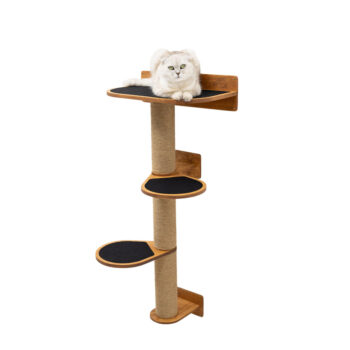
Cat furniture has a reputation problem. The standard carpeted tower works well enough for the cat and badly enough for the room that a lot of people put off buying one, then spend a year watching the sofa arm lose. Plywood and felt versions solve the aesthetic half of that without giving up the part that matters, which is a scratching surface the cat actually prefers to your furniture.
Enjoy The Wood makes a fairly complete range of this: three sizes of cat tree, wall shelves, a covered bed and a feeding stand. Below are eight of them, picked by the job each one does rather than by finish. We do not own these and have not tested them with a cat, so nothing here is a hands-on review. What follows compares what the maker publishes and is direct about which cat each piece is wrong for.
The picks
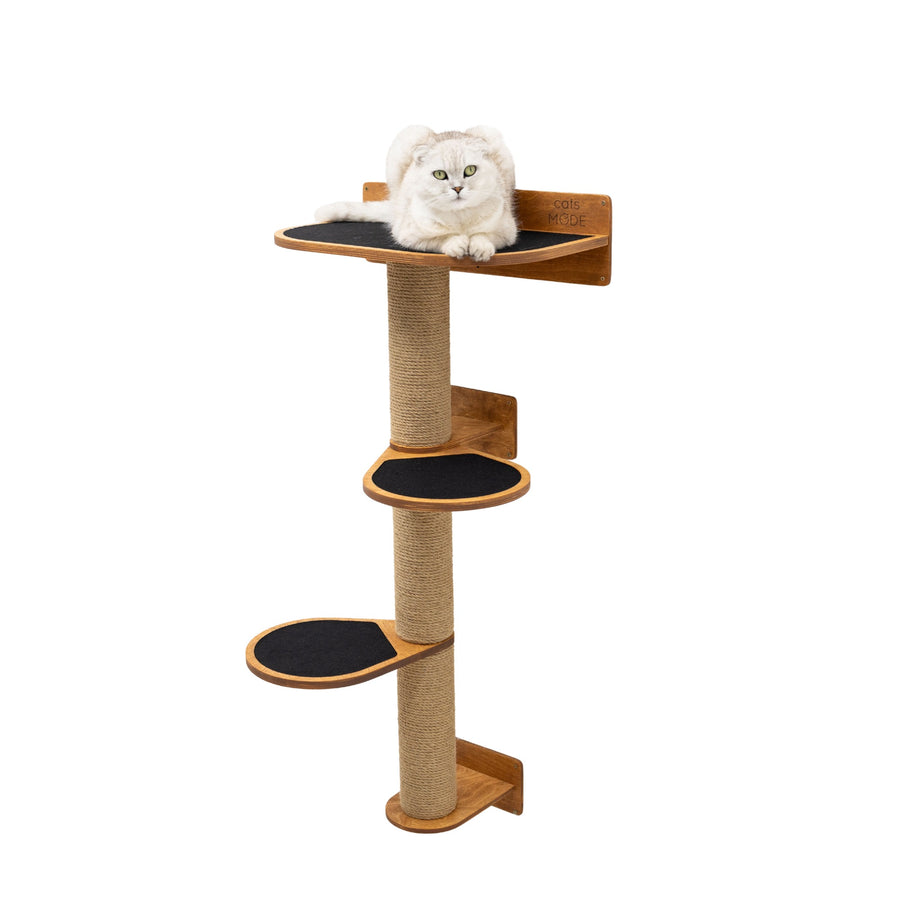
Medium Cat Tree, Oak
Plywood, felt and a sisal-wrapped post, at the size that suits one average adult cat in a normal room.
- Plywood frame rather than chipboard and carpet
- Sisal post is the part cats actually use
- Five finishes across the size range
- Reads as furniture, not as a carpeted tower
- One cat at a time on most levels
- Sisal wears and will need replacing eventually
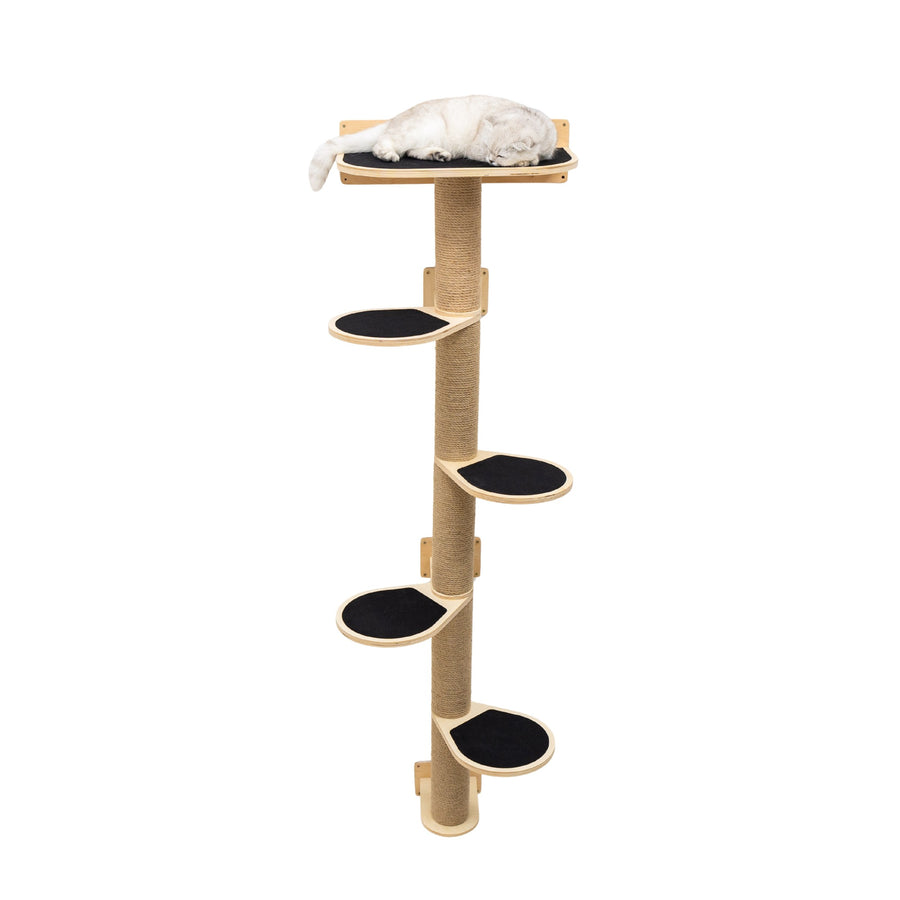
Large Cat Tree, Light
More platforms and a lower first step, which matters for an older cat that no longer jumps well.
- Several levels, so two cats can share it
- Easier climb for stiff or senior cats
- Same plywood, felt and sisal construction
- Takes a serious amount of floor space
- Heavier to move when you clean around it
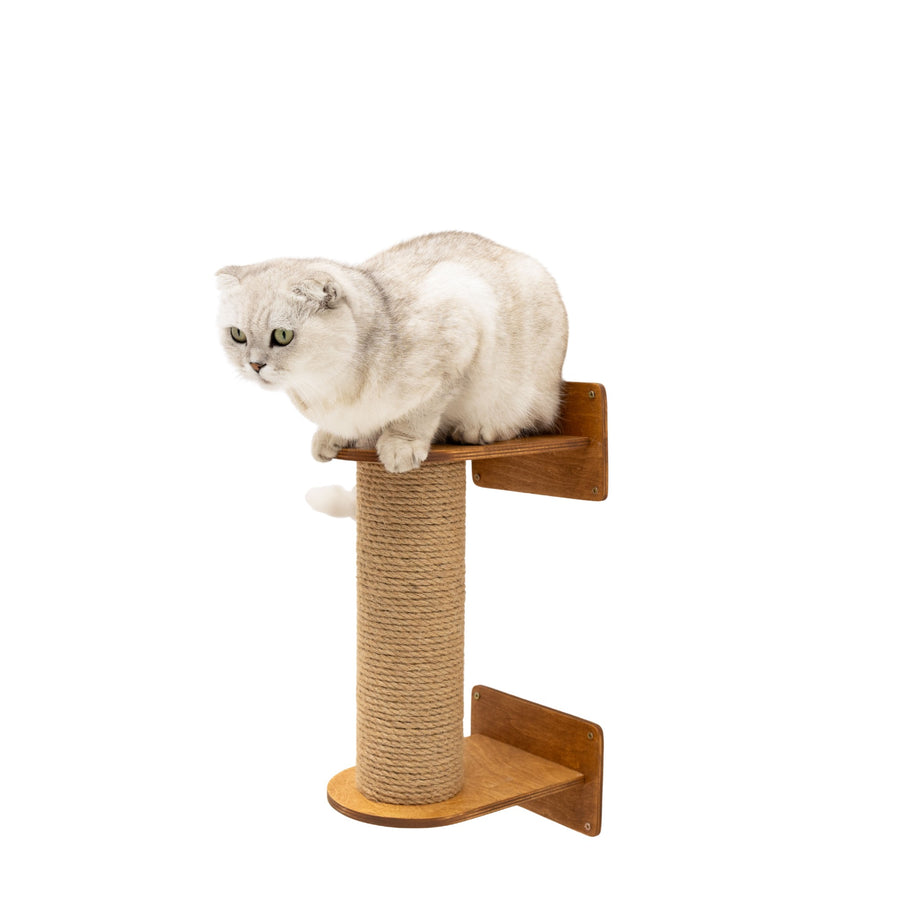
Small Cat Tree, Oak
The same build cut down to a footprint you can put in a corner of a one-bedroom flat.
- Fits where a full tower will not
- Still has a proper sisal scratching surface
- Light enough to move for cleaning
- One cat only
- A big or athletic cat will outgrow the interest quickly
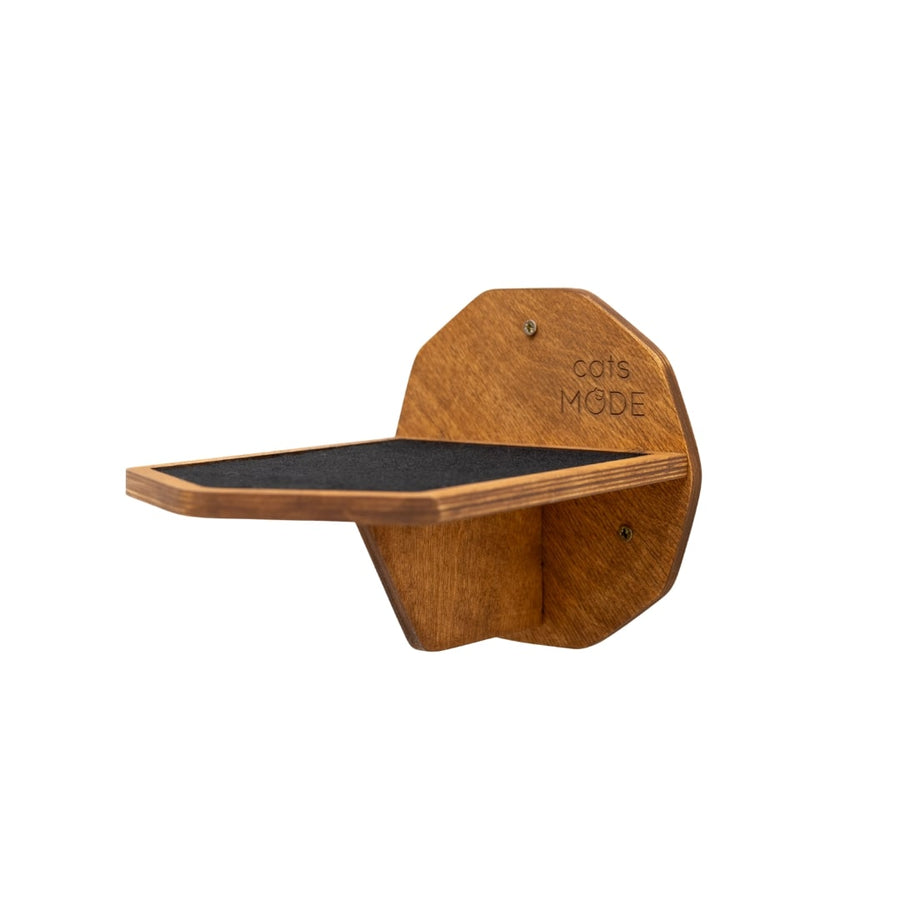
Wooden Hexagon Step
Hexagonal wall shelves you arrange into a climbing route, which buys vertical space without using any floor.
- No floor space used at all
- Route can be extended a shelf at a time
- Five finishes to match the room
- Takes the matching cushion
- Needs proper wall fixings and a stud or anchor
- Getting the spacing right takes planning and patience
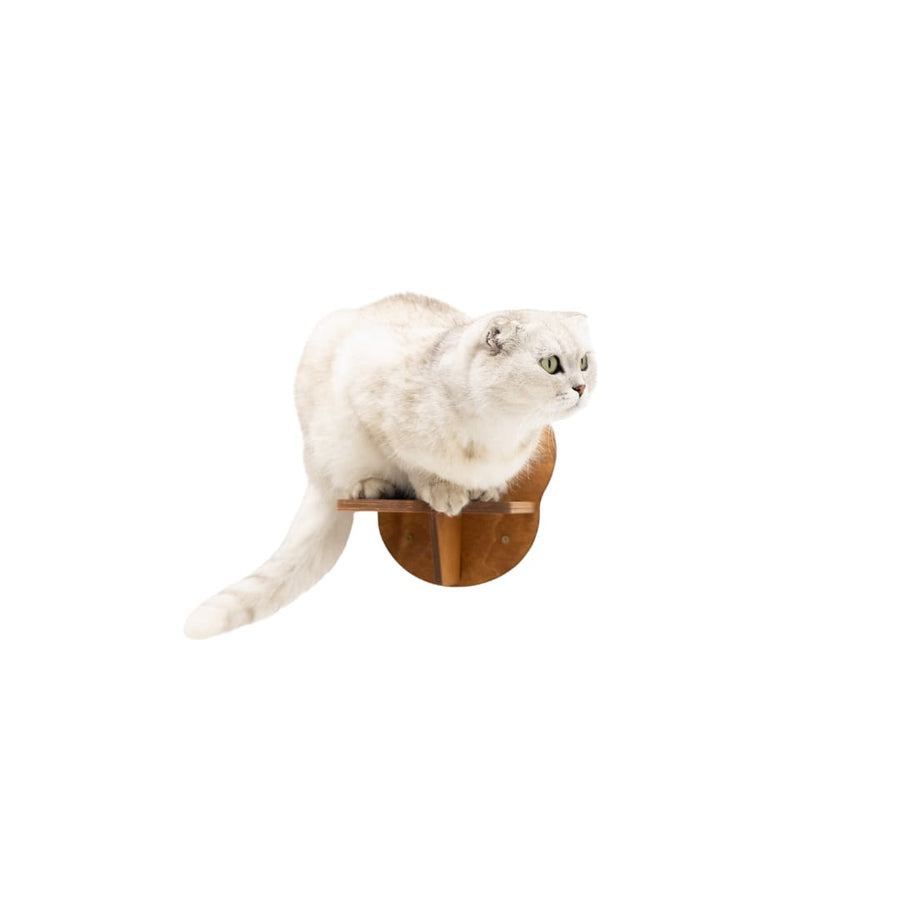
Wooden Cat Step
A plain rectangular wall step, useful as the bridge between two pieces of furniture or up to a windowsill.
- Simple to place and to level
- Good for filling a gap in an existing route
- Five finishes
- Does not do much on its own
- Surface is smoother than the hexagon shelf, so a cushion helps
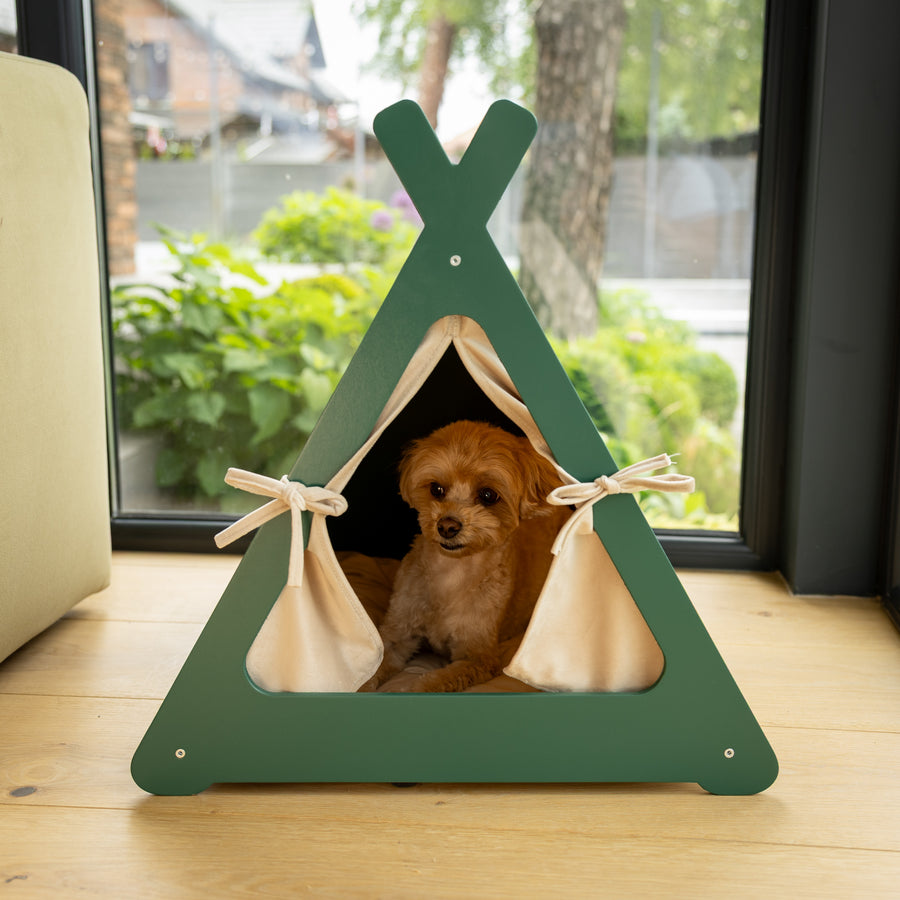
Pet Teepee
A timber-frame teepee with a fabric cover, for the cat that wants to be in the room but not visible in it.
- Enclosed, which is what nervous cats want
- Five fabric colours
- Optional personalisation
- Folds away more easily than a rigid house
- Fabric picks up hair and needs washing
- Some cats ignore a covered bed entirely
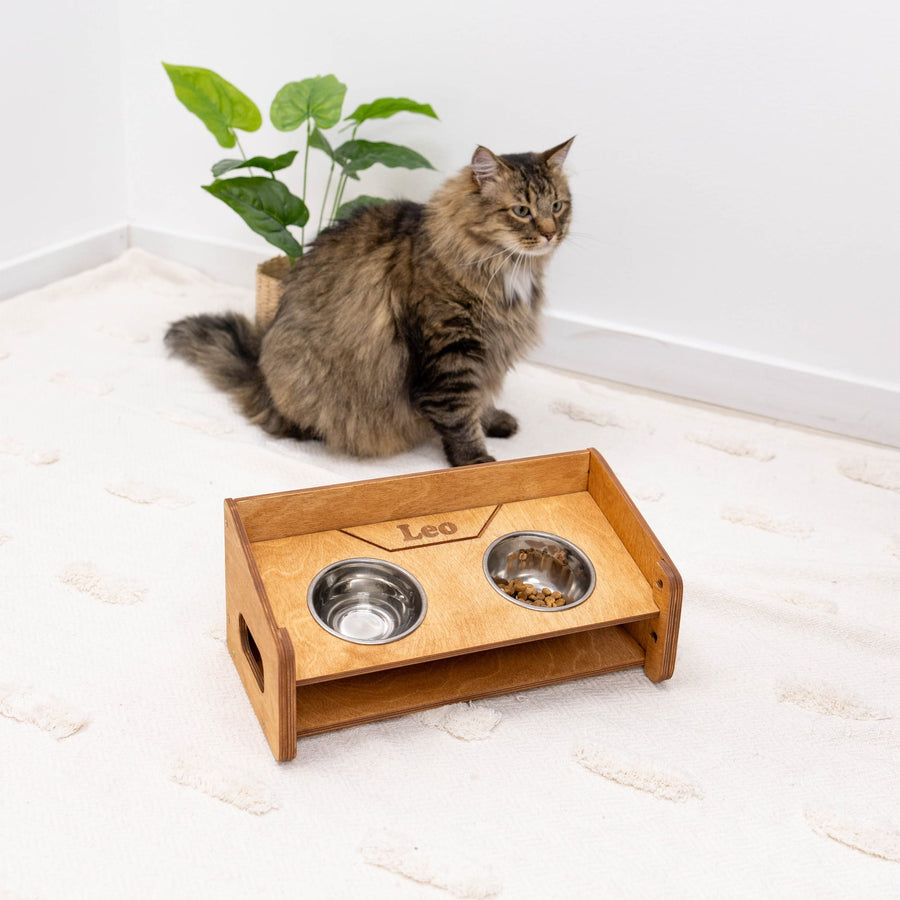
Pet Bowl Stand, Angled
A raised, angled stand, which is easier on the neck than eating off the floor and keeps the bowls from travelling.
- Raised and angled rather than flat
- Five finishes
- Optional personalisation
- Stops the bowl-across-the-kitchen problem
- Height suits cats and small dogs, not large breeds
- Wood around a water bowl needs wiping, not soaking
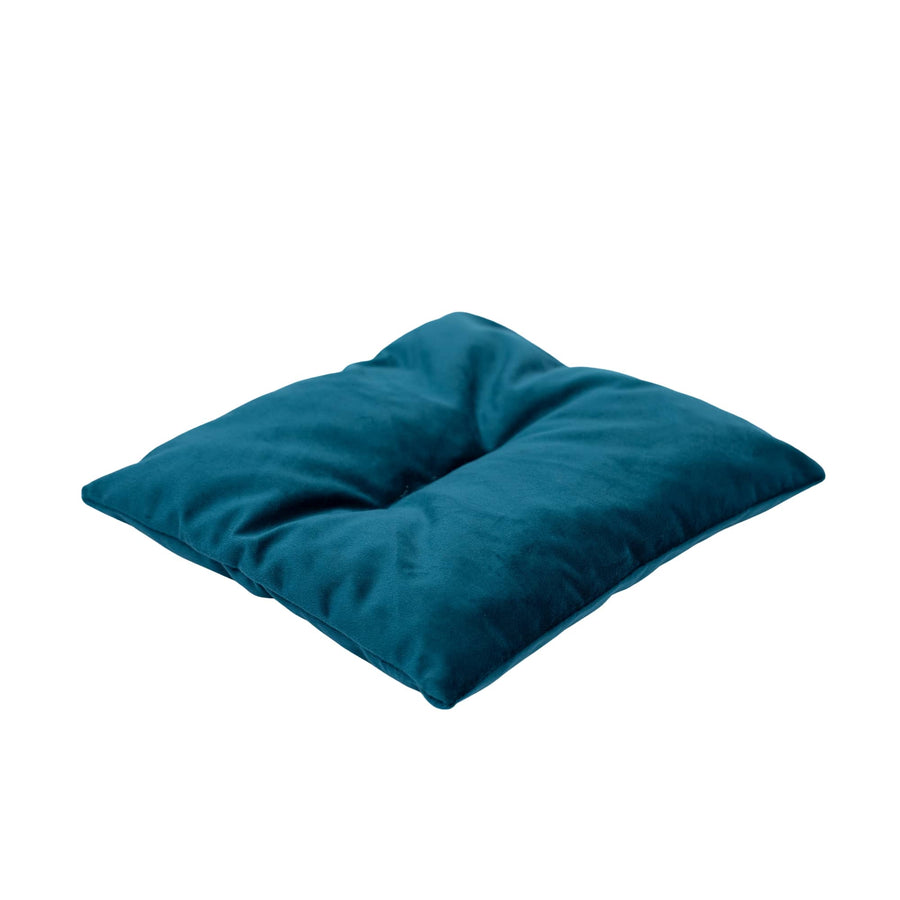
Cat Cushion Pillow
Sized to drop into the hexagon shelves, or to use on its own on a sofa or a windowsill.
- Made to fit the hexagon shelves
- Works loose on a floor or perch as well
- Several colours
- One size, so it does not fit every shelf on the market
- Fabric, so it is another thing to wash
How we chose
There is no independent star rating for this range and we do not make scores up. We chose one item per job rather than listing the same tree in five finishes, and we gave weight to the two things that decide whether cat furniture gets used: a scratching surface the cat prefers to your sofa, and heights the cat can reach comfortably today, not two years ago.
Construction matters here more than in most categories, because the thing is going to be jumped on several times a day for years. Plywood with a sisal-wrapped post is a meaningfully different proposition from chipboard wrapped in carpet, and it is the main reason this range is worth a look.
1. Medium Cat Tree, Oak
Most cat trees are chipboard wrapped in carpet, which is why most of them end up in a spare room. This one is plywood with felt surfaces and a sisal-wrapped cylinder, and the difference shows up twice: it holds its shape under a cat that launches off it, and it does not look like pet equipment in a room you use.
Medium is the size that suits one adult cat in a normal living room. The sisal cylinder is the part that earns its keep, because a cat that has somewhere legitimate to scratch is a cat that is less interested in the sofa arm. Sisal is a wear part, so expect it to look chewed within a year or two; that is the material doing its job rather than failing.
Check availability at Enjoy The Wood
2. Large Cat Tree, Light
Two things push people to the large version. One is a second cat, because cats share a tower far more willingly when they can hold different heights rather than competing for one platform. The other is age: a stiff cat stops using a tree the day the first step becomes a jump, and more levels means smaller gaps between them.
Construction is the same plywood, felt and sisal. Be realistic about the footprint before ordering. This is a piece of furniture, it will sit where you put it, and shifting it to vacuum behind is a two-handed job. Measure the corner you have in mind rather than the wall.
Check availability at Enjoy The Wood
3. Small Cat Tree, Oak
A small flat does not have room for a tower, but it usually has a corner. The small tree gives a cat a raised spot and a proper scratching surface in that corner, which covers the two behaviours that otherwise happen on your furniture.
It is honest about its limits. One cat, and a large or particularly athletic cat will treat it as a stepping stone rather than a destination. If that sounds like your cat, the wall shelves below are a better use of the same money, because vertical space is exactly what a small room has spare.
Check availability at Enjoy The Wood
4. Wooden Hexagon Step
Wall shelves are the answer when there is no floor to give up. A route of hexagons lets a cat move around the room at height, which is where cats prefer to be, and the whole thing occupies space you were not using anyway.
Two practical points. Fixings matter: these carry a moving animal, not a picture frame, so use the right anchors and find a stud where you can. And spacing is a design job. Too far apart and a nervous cat will not commit to the jump; too close and it is a staircase rather than a climb. Start with three, watch how the cat uses them, then extend.
Check availability at Enjoy The Wood
5. Wooden Cat Step
The plain rectangular step is the connector rather than the centrepiece. It bridges a gap between a bookcase and a windowsill, or gives a cat a mid-point on a route that is otherwise one long jump.
On its own it does not achieve much, and its surface is smoother than the hexagon shelf, so a cat landing at speed can slide. That is what the matching cushion is for. Bought as part of a route it is genuinely useful; bought alone it tends to be ignored.
Check availability at Enjoy The Wood
6. Pet Teepee
Some cats want to be near you and out of sight at the same time, and a covered bed is the usual compromise. A teepee gives them an enclosed space with one clear exit, which is the arrangement most cats settle into fastest.
The timber frame keeps its shape better than a soft fabric cave, and the cover comes in five colours with an optional name. The caveats are ordinary: fabric collects hair and will need washing, and a minority of cats simply will not use anything enclosed. If yours sleeps in the open on a sofa arm, this is not the purchase to start with.
Check availability at Enjoy The Wood
7. Pet Bowl Stand, Angled
Feeding off the floor is fine for most cats and awkward for some. A raised, angled stand puts the bowl at a more natural height and stops the bowl skating across the kitchen every mealtime, which is the complaint that usually prompts the purchase.
It suits cats and small dogs; a large breed needs more height than this design gives. The one maintenance note is obvious but worth saying: it is wood next to a water bowl, so wipe spills rather than letting them sit, and do not put it in a dishwasher-adjacent puddle.
Check availability at Enjoy The Wood
8. Cat Cushion Pillow
The cushion exists mainly to make the hexagon shelves comfortable, and it does that job well, because a bare shelf is a lookout rather than a bed. Drop one into a shelf at the top of a route and that is where the cat will sleep.
It also works loose on a floor or a windowsill. It comes in one size, so it will not necessarily fit shelving from another maker, and it is fabric, which means it joins the list of things that need washing. Neither is a reason to skip it if you already have the shelves.
Check availability at Enjoy The Wood
Floor space or wall space
This is the real decision, and it is mostly about your home rather than your cat. A tree is simple: it arrives, it stands somewhere, it can be moved. It also occupies a square of floor permanently, and in a small flat that square is expensive.
Wall shelves cost nothing in floor space and give a cat more interesting territory, because a route around a room beats a single tower for a bored indoor cat. They are also permanent in a way a tree is not: holes in the wall, planning, and a landlord who may have opinions. If you rent, the tree is the safer buy. If you own and the room is small, the shelves are the better one.
Mounting shelves safely
Cat shelves carry a moving load, not a static one. A cat landing from a jump applies several times its body weight for a moment, which is why shelves that were fine on day one work loose by month three. Fix into studs where you can, and use anchors rated well above the cat weight where you cannot.
Space the route so that every gap is an easy step rather than a stretch. Cats are cautious about commitment: one gap that feels too big and they stop using everything beyond it. Start with three shelves, watch which way the cat chooses to travel, then add. It is far easier than drilling twelve holes and discovering the cat disagrees with your design.
Common questions
Will my cat actually use a sisal post?
Usually, if it is in the right place. Cats scratch where they already spend time and often just after waking, so a post near the sleeping spot or beside the sofa gets used and the same post in a spare bedroom does not. Position does more work than the product does.
Can two cats share one tree?
More easily on the large version than the medium, because sharing works when each cat can hold a different height. Two cats and one platform is a dispute. If you have two cats and limited floor space, a tree plus a couple of wall shelves usually works better than a bigger tree.
Is this suitable for an older cat?
Look at the height of the first step rather than the height of the tree. A senior or arthritic cat stops using anything that starts with a jump. The large tree has more levels and therefore smaller gaps, which is the right direction. If your cat has a diagnosed joint problem, your vet is the better guide than any product page.
How do I clean it?
Felt and fabric parts take a vacuum brush and, where removable, a wash. Plywood takes a damp cloth and should not be soaked. Sisal cannot really be cleaned and is not meant to be; it is a wear surface and looking chewed is the sign it is working.
The short version
One cat, normal room, no strong opinions: the medium cat tree. Two cats or an older one: the large. A small flat where the floor is spoken for: the hexagon wall shelves, with a cushion in the top one. And if the complaint that started all this was the bowl sliding across the kitchen, the angled stand fixes that on its own.


