 Victoria
BuyerRank is reader-supported. We may earn a commission when you buy through links on this page, at no extra cost to you. As an Amazon Associate, we earn from qualifying purchases. Prices and availability are accurate as of the date of publication and can change at any time — please check the retailer for the current price. Learn more. Written by Victoria — how we choose what to recommend.
Our quick picks
Ranked by what each one is best at, not by a score we made up. Ratings are what the product showed on Amazon when we last checked — how we rank.
- Enough stitches to grow into, simple enough to start on today.
- Sixty built-in stitches and seven automatic buttonholes is the right amount for someone who will be sewing for years: more than the true entry machines, far short of the overwhelming.
- A stronger motor and a metal frame – the two things denim needs.
- Twenty-three stitches is fewer than the Brother machines, but for the work this machine is for, that is not the constraint.
- The cheapest machine here that is still a real sewing machine.
- Twenty-seven stitches, an automatic buttonhole, a needle threader and six included feet – this is a complete starting setup rather than a stripped-back body.
- 165 stitches, a wide table, and the features quilting actually needs.
- Quilting needs three things a standard machine does not have: room to the right of the needle for the bulk of a quilt, a wide selection of stitches, and reliable feeding through several layers.
- Thirty-seven stitches and nothing to think about.
- The GX37 sits between the XM2701 and the CS5055: a few more stitches than the entry machine, without the computerised interface.
- 1,100 stitches a minute, and a motor that does not complain.
- Speed matters when you are sewing long seams repeatedly – curtains, bedding, bags, or production work.
- A repair tool – and useful as one.
- A handheld machine sews a single line of stitching on material up to about 1.5mm thick, running on USB or batteries.
- Commercial equipment, priced and specified accordingly.
- Fifteen needles with automatic color change means a multi-color design runs without stopping to rethread.
- Straight stitch only, done better than anything else here.
- The TL-2010Q does one thing: a precise straight stitch, fast, through thick material, on an aluminum die-cast frame that does not flex.
What follows is the reasoning, the specifications that change the decision, and the drawbacks.
Sewing machines are sold on stitch count, and stitch count is close to meaningless. Almost everyone uses straight stitch, zigzag, a buttonhole and perhaps a stretch stitch. A machine with 165 stitches is not eight times more useful than one with 23.
What actually separates these machines is what they can push a needle through, how they feel at speed, and whether the parts inside are metal or plastic. A machine that handles denim and one that handles chiffon are different tools, and no amount of decorative stitching bridges that gap.
A note on method: we have not sewn on these machines ourselves. Our picks are based on manufacturer specifications, construction type and patterns across long-term owner reviews.
What we looked at
We ignored stitch counts and sorted on the things that change what you can make:
- Motor strength and frame material. Metal frames and stronger motors handle heavy fabric; plastic-framed machines walk across the table and stall.
- Bobbin type. Drop-in jam-resistant bobbins are visible and easy. Front-loading bobbins are more fiddly and a common source of frustration.
- Buttonhole automation. One-step automatic buttonholes are dramatically easier than four-step manual ones.
- What it is actually for. Quilting needs table space, heavy work needs a motor, travel needs portability.
Each machine gets a role rather than a rank, because a commercial embroidery machine and a beginner’s Brother are not competing for the same buyer.
The short list
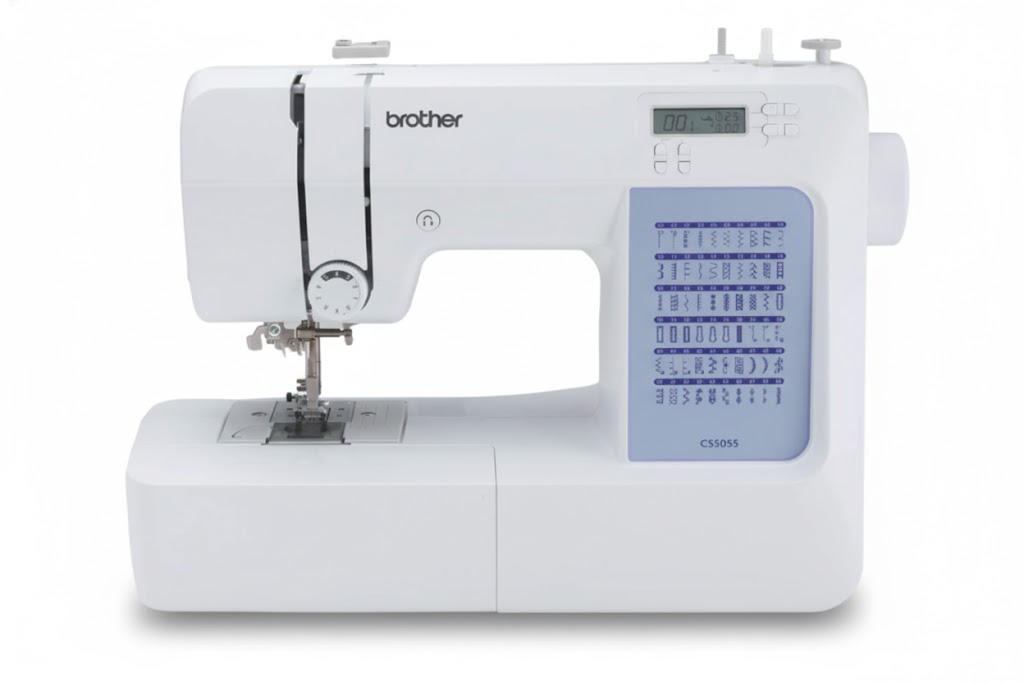
Brother CS5055 Computerized Sewing Machine
60 built-in stitches, 7 auto-size buttonholes, improved automatic needle threader, jam-resistant drop-in bobbin, durable metal frame, fixed needle bar for cleaner lines, large workspace, includes 7 sewing feet + accessories, electric 120V
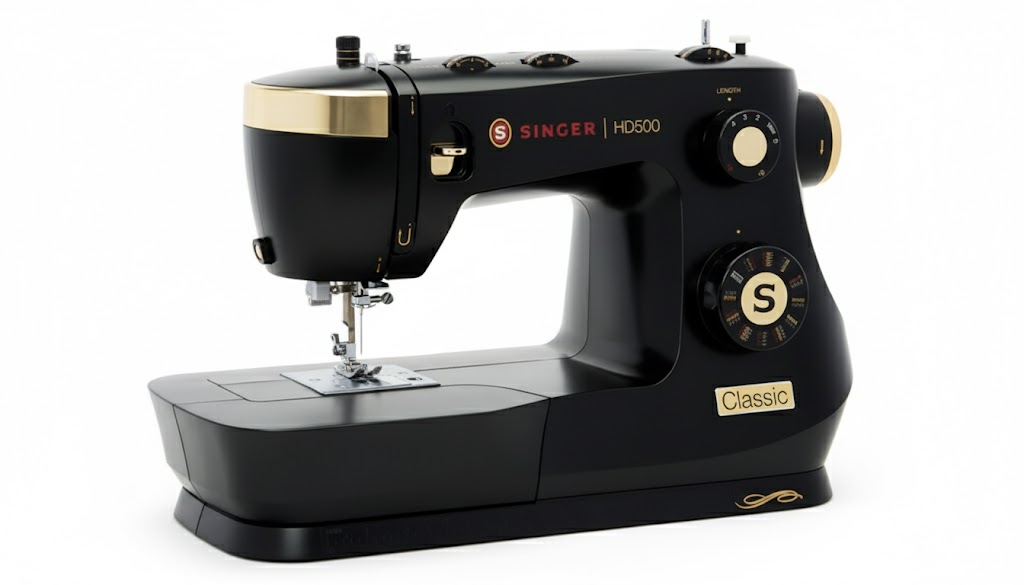
SINGER Heavy Duty 500 Classic Sewing Machine
23 built-in stitches, strong motor for heavy fabrics, 1-step buttonhole, built-in needle threader, adjustable stitch settings, full metal frame, LED light, drop feed, includes full accessory kit
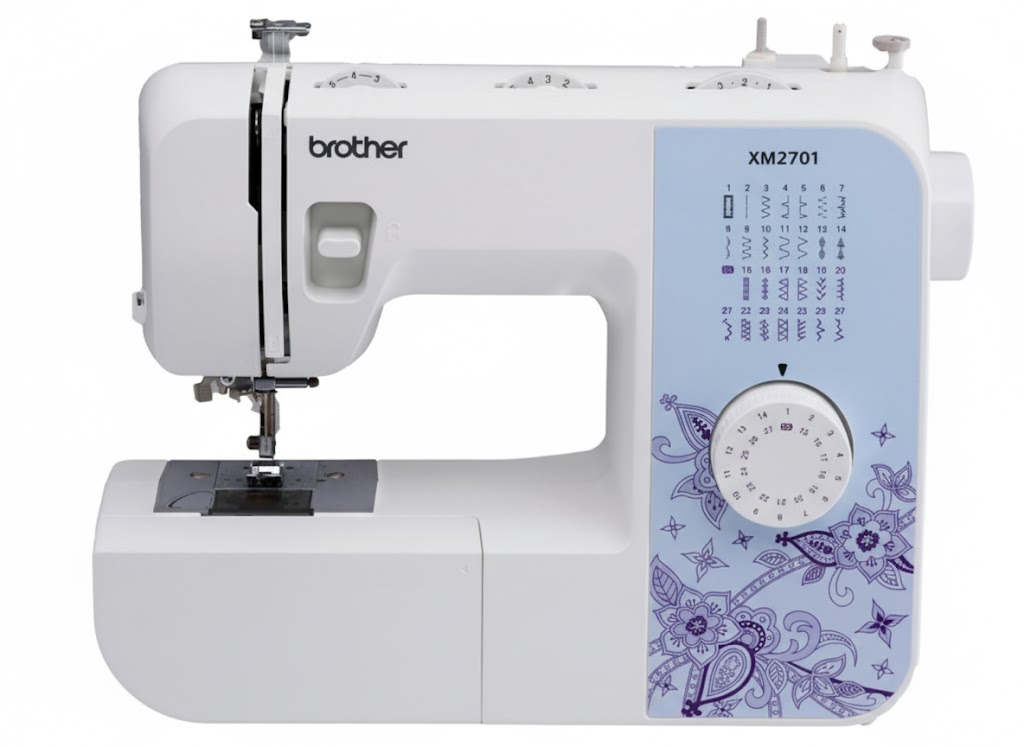
Brother XM2701 Sewing Machine
27 built-in stitches, auto-size buttonhole, automatic needle threader, jam-resistant drop-in bobbin, includes 6 sewing feet + accessories, versatile free arm for everyday projects, lightweight design, electric 120V

Brother XR9550 Computerized Sewing & Quilting Machine
165 built-in stitches, 8 auto-size buttonholes, alphanumeric stitches, automatic needle threader, jam-resistant drop-in bobbin, LCD stitch selection, wide table, includes 8 presser feet + hard cover, electric 120V
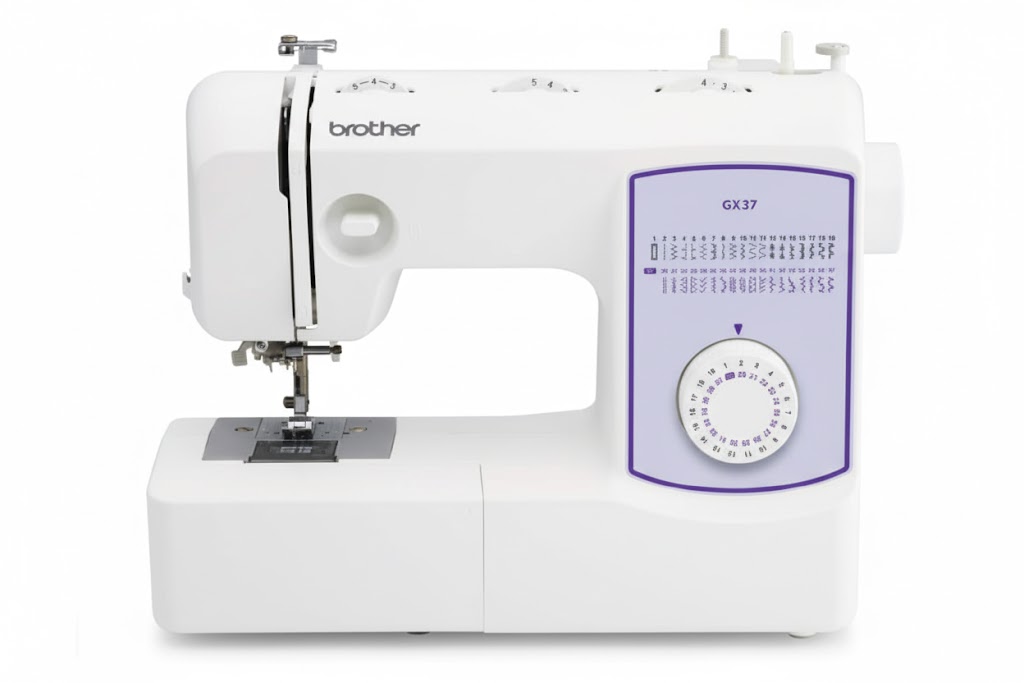
Brother GX37 Sewing Machine
37 built-in stitches, auto-size buttonhole, automatic needle threader, jam-resistant drop-in bobbin, includes 6 sewing feet + accessories, versatile free arm for everyday projects, electric 120V
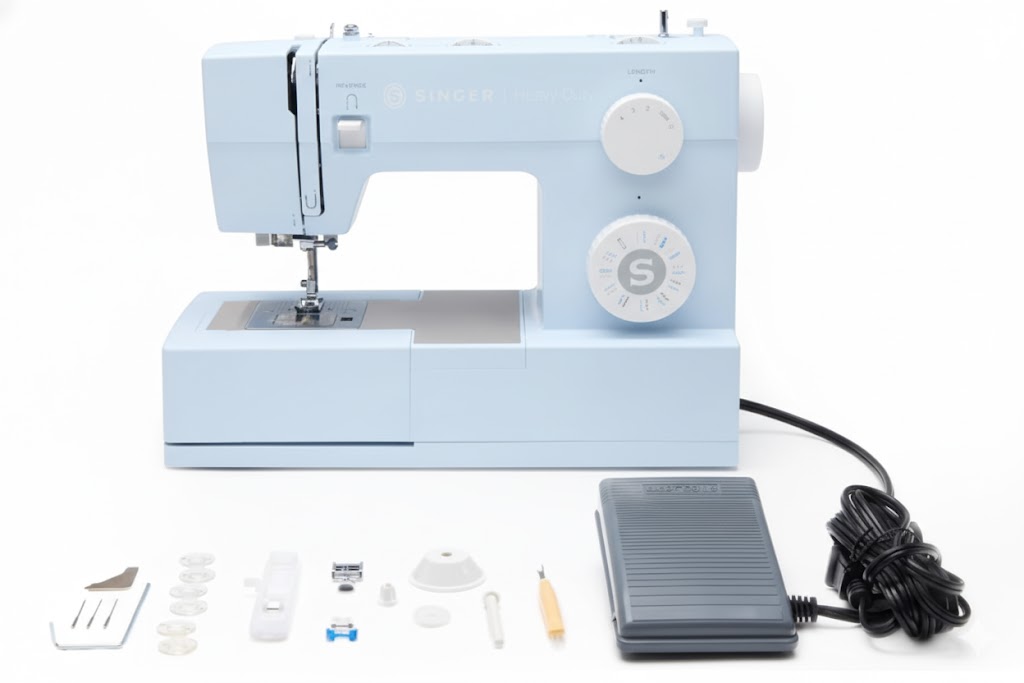
SINGER Heavy Duty 4423 Meltwater Blue Sewing Machine
97 stitch applications, strong motor, 1,100 stitches/min, 1-step buttonhole, automatic needle threader, drop-in bobbin, full metal frame, adjustable presser foot, LED light, free arm

VEYANCO Electric Mini Handheld Sewing Machine
One-hand operation, dual-speed modes, USB or AA battery power, sews fabrics up to 1.5mm, lightweight portable design, includes full accessory kit for instant repairs and DIY projects
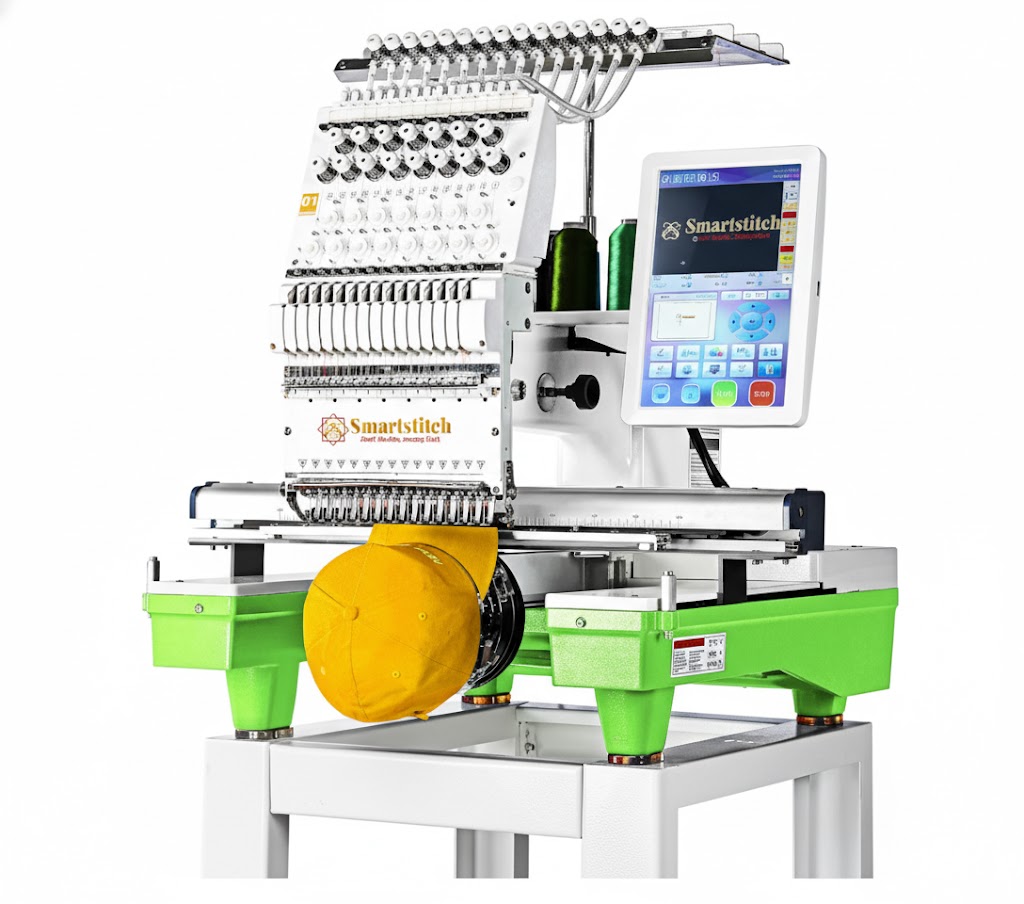
Smartstitch S-1501 Commercial 15-Needle Embroidery Machine
15 needles, 14″x20″ area, 1200SPM speed, 12″ touch screen, WiFi, auto color change, laser positioning, wide-angle cap system, stitches 3D caps, flats, shirts, denim, leather, shoes, bags
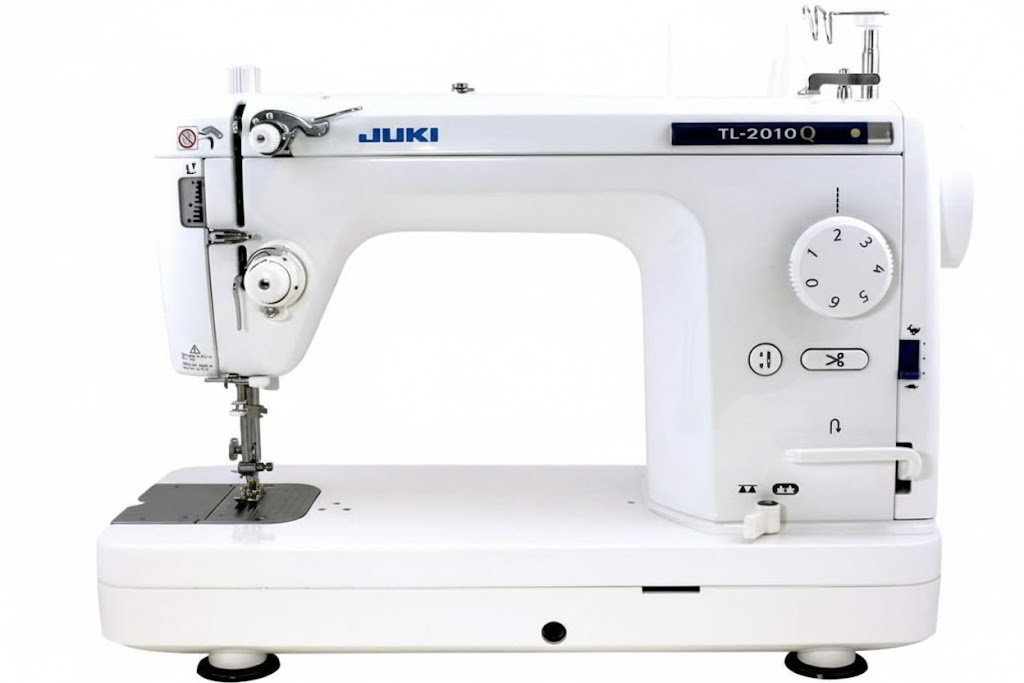
Juki TL-2010Q High Speed Sewing & Quilting Machine
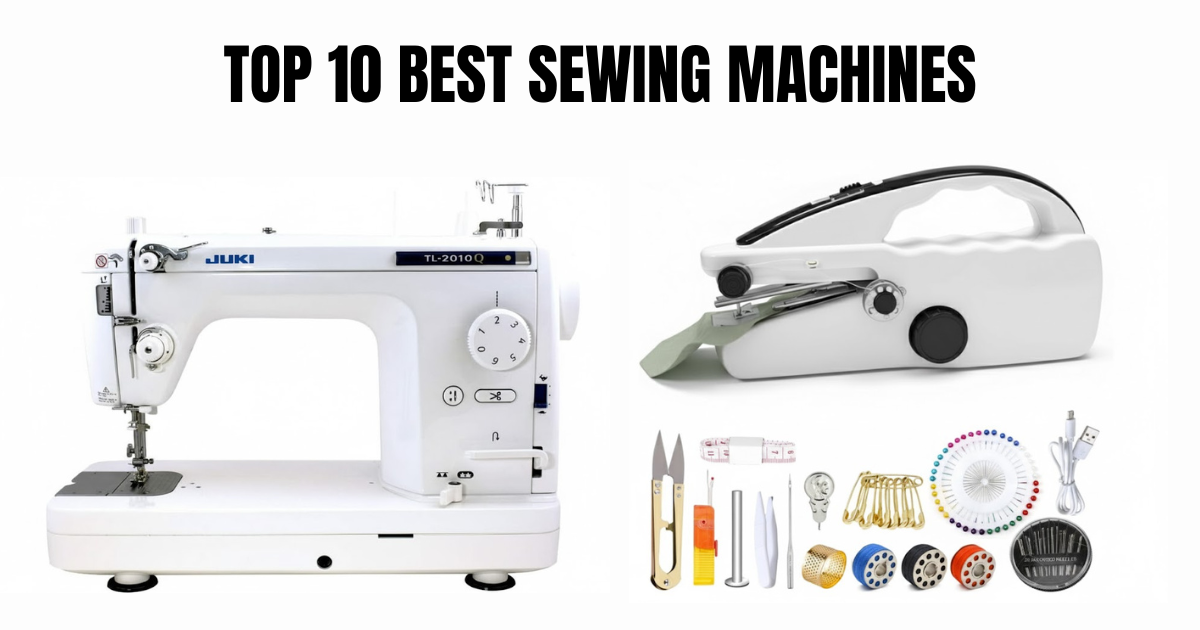
High-speed stitching, precision straight stitch, aluminum die-cast frame, automatic thread cutter, responsive pedal control, smooth quilting performance, includes bonus accessory pack
The 9 Best Sewing Machines, Reviewed
1. Brother CS5055 Computerized Sewing Machine — Best Overall
Enough stitches to grow into, simple enough to start on today.
Sixty built-in stitches and seven automatic buttonholes is the right amount for someone who will be sewing for years: more than the true entry machines, far short of the overwhelming. The two features that matter most day to day are here — an automatic needle threader, which saves genuine frustration, and a jam-resistant drop-in bobbin, which removes the most common cause of a machine stopping.
What we like
- 60 stitches covers garments, repairs and light decorative work
- Automatic needle threader — a small feature you use constantly
- Jam-resistant drop-in bobbin, easy to see and reload
- Computerised stitch selection is quicker than dial-based machines
The drawbacks
- Plastic internal components, as with most machines at this price
- Not built for heavy denim, canvas or multiple leather layers
- Computerised machines are harder to repair at home than mechanical ones
- Lightweight body can move around at high speed
Right for: most home sewers, from beginner to intermediate. Skip it if: you work mainly with heavy fabric.
Check the current price on Amazon →
2. SINGER Heavy Duty 500 Classic — Best for Heavy Fabrics
A stronger motor and a metal frame — the two things denim needs.
Heavy Duty is a specific claim: a more powerful motor and a metal internal frame, which together let the machine push a needle through several layers of denim or canvas without stalling or walking across the table. Twenty-three stitches is fewer than the Brother machines, but for the work this machine is for, that is not the constraint.
What we like
- Strong motor handles denim, canvas and upholstery weight fabric
- Metal internal frame reduces vibration at speed
- One-step buttonhole and built-in needle threader
- Adjustable stitch length for thicker materials
The catch
- 23 stitches — limited for decorative work
- Heavier and louder than lightweight machines
- Not designed for delicate or very lightweight fabrics
- Fewer convenience features than computerised models
Right for: denim, canvas, bags, upholstery and repairs. Skip it if: you sew mostly light dressmaking fabrics.
Check the current price on Amazon →
3. Brother XM2701 Sewing Machine — Best Budget
The cheapest machine here that is still a real sewing machine.
Twenty-seven stitches, an automatic buttonhole, a needle threader and six included feet — this is a complete starting setup rather than a stripped-back body. For someone finding out whether they will keep sewing, it covers hems, seams, basic garments and repairs without any serious compromise on the fundamentals.
What we like
- Really low cost for a full-featured machine
- Six presser feet included, which is unusual at this price
- Automatic needle threader and drop-in bobbin
- Light enough to move and store easily
Where it falls short
- Lightweight build vibrates at higher speeds
- Not for heavy fabrics
- 27 stitches will feel limiting if you progress
- Plastic construction throughout
Right for: first machines and occasional sewing. Skip it if: you already know you will sew regularly.
Check the current price on Amazon →
4. Brother XR9550 Computerized Sewing & Quilting Machine — Best for Quilting
165 stitches, a wide table, and the features quilting actually needs.
Quilting needs three things a standard machine does not have: room to the right of the needle for the bulk of a quilt, a wide selection of stitches, and reliable feeding through several layers. The XR9550 addresses all three, and the alphanumeric stitches make it useful for labeling finished work as well.
What we like
- Wide table gives room for quilt bulk
- 165 stitches including alphanumeric for labeling
- Eight automatic buttonholes
- LCD display makes stitch selection straightforward
What owners complain about
- Large footprint — it needs a dedicated table
- More stitches than most people will ever use
- Domestic machine limits on very thick quilt sandwiches
- Computerised electronics are harder to service at home
Right for: quilters and anyone doing decorative work. Skip it if: you sew garments and repairs only.
Check the current price on Amazon →
5. Brother GX37 Sewing Machine — Best Simple Machine
Thirty-seven stitches and nothing to think about.
The GX37 sits between the XM2701 and the CS5055: a few more stitches than the entry machine, without the computerised interface. For someone who wants to sit down, choose a stitch on a dial and start, rather than navigating a menu, that simplicity is the point.
What we like
- Straightforward dial-based stitch selection
- 37 stitches covers most home sewing
- Automatic needle threader and jam-resistant bobbin
- Six feet included
The downside
- Fewer stitches than the computerised Brother machines
- Light build, so it moves at speed
- Not for heavy fabrics
- No LCD or stitch memory
Right for: people who prefer simple controls. Skip it if: you want stitch memory and computerised selection.
Check the current price on Amazon →
6. SINGER Heavy Duty 4423 — Best for Speed
1,100 stitches a minute, and a motor that does not complain.
Speed matters when you are sewing long seams repeatedly — curtains, bedding, bags, or production work. At 1,100 stitches per minute with a strong motor and 97 stitch applications, this is the machine for volume. The metal frame keeps it steady at that speed, which lightweight machines cannot manage.
What we like
- 1,100 stitches per minute is fast for a domestic machine
- Strong motor for heavy fabrics
- 97 stitch applications
- Metal frame keeps the machine stable at speed
What you give up
- Loud compared with lighter machines
- Fast machines are harder for beginners to control
- Heavy to move and store
- Fewer convenience features than computerised models
Right for: long seams, curtains, bags and higher-volume sewing. Skip it if: you are learning.
Check the current price on Amazon →
7. VEYANCO Electric Mini Handheld Sewing Machine — Best for Quick Repairs
Not a sewing machine. A repair tool — and useful as one.
A handheld machine sews a single line of stitching on material up to about 1.5mm thick, running on USB or batteries. It will not make a garment. What it will do is fix a hem on a curtain that is still hanging, or a seam while traveling, without setting up a machine at all.
What we like
- Works on fabric in place — curtains still hanging, clothes still worn
- USB or battery powered, so it works anywhere
- Tiny and light enough for a travel bag
- Very low cost
The part that annoys people
- Not a substitute for a real sewing machine
- Limited to thin fabrics, around 1.5mm
- Single stitch line, easily pulled out if not finished carefully
- Fiddly compared with a proper machine
Right for: emergency repairs and travel. Skip it if: you want to make anything.
Check the current price on Amazon →
8. Smartstitch S-1501 Commercial 15-Needle Embroidery Machine — Best for Embroidery Businesses
Commercial equipment, priced and specified accordingly.
Fifteen needles with automatic color change means a multi-color design runs without stopping to rethread. A 14×20 inch embroidery field, 1,200 stitches per minute, WiFi and a 12-inch touchscreen put this firmly in the commercial category — this is equipment for a business, not a hobby.
What we like
- 15 needles with automatic color change — no rethreading mid-design
- Large 14×20 inch embroidery field
- 1,200 stitches per minute for production volume
- WiFi and touchscreen for design transfer and management
Where it disappoints
- Commercial pricing, well beyond hobby budgets
- Large and heavy — needs dedicated space
- Embroidery only; it is not a general sewing machine
- Steep learning curve with digitising software
Right for: embroidery businesses and serious production. Skip it if: this is a hobby.
Check the current price on Amazon →
9. Juki TL-2010Q High Speed Sewing & Quilting Machine — Best for Serious Quilters
Straight stitch only, done better than anything else here.
The TL-2010Q does one thing: a precise straight stitch, fast, through thick material, on an aluminum die-cast frame that does not flex. There are no decorative stitches, which is the point — quilters and garment makers who value stitch quality above stitch variety buy this and keep it for decades.
What we like
- Aluminum die-cast frame — no flex, no walking at speed
- Exceptional straight stitch quality
- Automatic thread cutter saves considerable time
- Built to last, with serviceable mechanical construction
The drawbacks
- Straight stitch only — no zigzag, no buttonholes, no decorative stitches
- Expensive compared with domestic machines
- Heavy and not portable
- Requires a second machine for buttonholes and finishing
Right for: quilters and sewers who prioritize stitch quality. Skip it if: this would be your only machine.
Check the current price on Amazon →
How to Choose a Sewing Machine
Decide what fabric you will sew most
This is the question that splits the market. Light dressmaking fabrics, cotton and jersey work fine on any machine here. Denim, canvas, upholstery fabric and multiple layers need a strong motor and a metal frame — a lightweight machine will stall, skip stitches, or walk across the table.
Ignore the stitch count
Straight stitch, zigzag, a buttonhole and a stretch stitch cover the overwhelming majority of home sewing. More stitches are pleasant to have and rarely used. Do not pay for 165 stitches unless you specifically want decorative work.
Look for a drop-in bobbin and an automatic threader
These two features affect your experience every single session. A jam-resistant drop-in bobbin is visible, easy to load and far less prone to birdnesting. An automatic needle threader saves a small frustration dozens of times a day, and matters more as eyesight changes.
Check the space to the right of the needle
This is the specification quilters need and nobody else mentions. The bulk of a quilt has to go somewhere while you sew, and a standard domestic machine does not have room for it.
Mechanical or computerised
Mechanical machines have dials, fewer failure points and are easier to repair. Computerised machines offer stitch memory, easier selection and more precise control, but electronics are harder to service at home. Neither is better; they fail differently.
What buyers get wrong
- Buying on stitch count. The specification that matters least.
- Buying too light for the fabric. The most common cause of a disappointing machine.
- Forgetting the extras. Feet, needles, bobbins and thread add up; machines that include feet are better value than they look.
- Skipping the manual. Tension and threading problems are nearly always user error, not machine fault.
- Buying a handheld machine as a first machine. They are repair tools, not sewing machines.
Frequently Asked Questions
What is the best sewing machine for a complete beginner?
A computerised machine with a drop-in bobbin, an automatic needle threader and a one-step buttonhole, at a modest stitch count. The Brother XM2701 and CS5055 both fit that description; the difference is how much room you want to grow into.
What does “heavy duty” actually mean?
Generally a stronger motor and a metal internal frame, which together allow the machine to sew through multiple layers of thick fabric without stalling or vibrating excessively. It is a meaningful distinction, not just marketing.
Do I need a separate machine for quilting?
Not necessarily, but you do need space to the right of the needle for the bulk of the quilt, and reliable feeding through several layers. A quilting-specific machine or an extension table makes a substantial difference on larger projects.
Are computerised machines more reliable than mechanical ones?
They are not inherently less reliable, but when they do fail, electronic faults are harder and more expensive to repair than mechanical ones. Mechanical machines can often be serviced by a local repairer indefinitely.
How often does a sewing machine need servicing?
Regular home use generally warrants a service every year or two, plus cleaning lint from the bobbin area yourself after every few projects. Lint build-up causes more problems than wear.
Can a handheld sewing machine replace a full-size one?
No. Handheld machines sew a single line on thin material and are designed for repairs in situations where a proper machine is impractical. They are a useful supplement, not a substitute.
What we would buy
For most home sewers, the Brother CS5055 is the machine with the right balance of capability and simplicity, and the XM2701 is the cheaper way in if you are still finding out whether you will keep at it.
If your fabric is heavy — denim, canvas, bags, upholstery — a lightweight machine will frustrate you regardless of its stitch count. The SINGER Heavy Duty 500 and 4423 are the picks there. For quilting, the Brother XR9550 covers decorative work and table space, while the Juki TL-2010Q does straight stitch better than anything else here and nothing else at all.
Work out your fabric first. Everything else on the specification sheet follows from that.
Prices and availability on Amazon change frequently — check the product page for current information before buying.