 Victoria
Freego sells electric bikes, electric dirt bikes, mini bikes and scooters direct, at outputs that range from a genuine Class 2 commuter to an 8000 watt peak machine with pedals bolted on. That spread is the single most important thing to understand about the brand, because two products on the same website can have completely different legal status.
This review covers what the range actually contains, how good the published specifications are, and where we think a buyer is most likely to get caught out. We have not ridden these, so nothing here is a hands-on test; it is a reading of the published specifications and the way the catalogue is organised.
What Freego sells
Around a hundred listings covering complete machines and a long tail of spare parts. The machines fall into four groups: commuter and all-terrain electric bicycles such as the City Flow A1 and Maxx M3, electric dirt bikes such as the X1, X3 and Nova series, mini bikes aimed at teenagers and adults, and a foldable dual-motor scooter. We compared eight of them in our guide to the best Freego electric bikes.
The spare parts are worth noticing in their own right. Brake sets, shock absorbers, throttles, drivetrain kits, controllers, bearings and axle hardware are all listed individually, which is unusual for a direct-to-consumer bike brand and a meaningful signal about ownership over several years.
The specifications are unusually complete
Nominal and peak motor output, battery voltage and amp-hours with watt-hours calculated, torque in newton metres, top speed and claimed range appear on the product pages in a consistent format. That is better than several far better-known direct-to-consumer brands manage, and it means you can compare two Freego models properly rather than guessing.
Watt-hours in particular being stated rather than left for you to calculate is a small thing that says somebody sensible wrote the pages. It is the only number that lets you compare energy capacity between a 48V and a 60V machine.
The problem with the range
The catalogue mixes legal categories without flagging it. A Class 2 commuter and a 4500 W nominal, 8000 W peak dirt bike sit in the same collection, described in the same language, and both have pedals. A buyer who does not already know where the legal line sits can very easily order something that cannot be ridden on a public road where they live.
We would like to see the class status stated prominently on every listing rather than in the title of some and nowhere on others. Until that happens, the responsibility is yours: check your local rules on motor output and assisted speed before ordering, and do not assume pedals mean bicycle.
Where to start
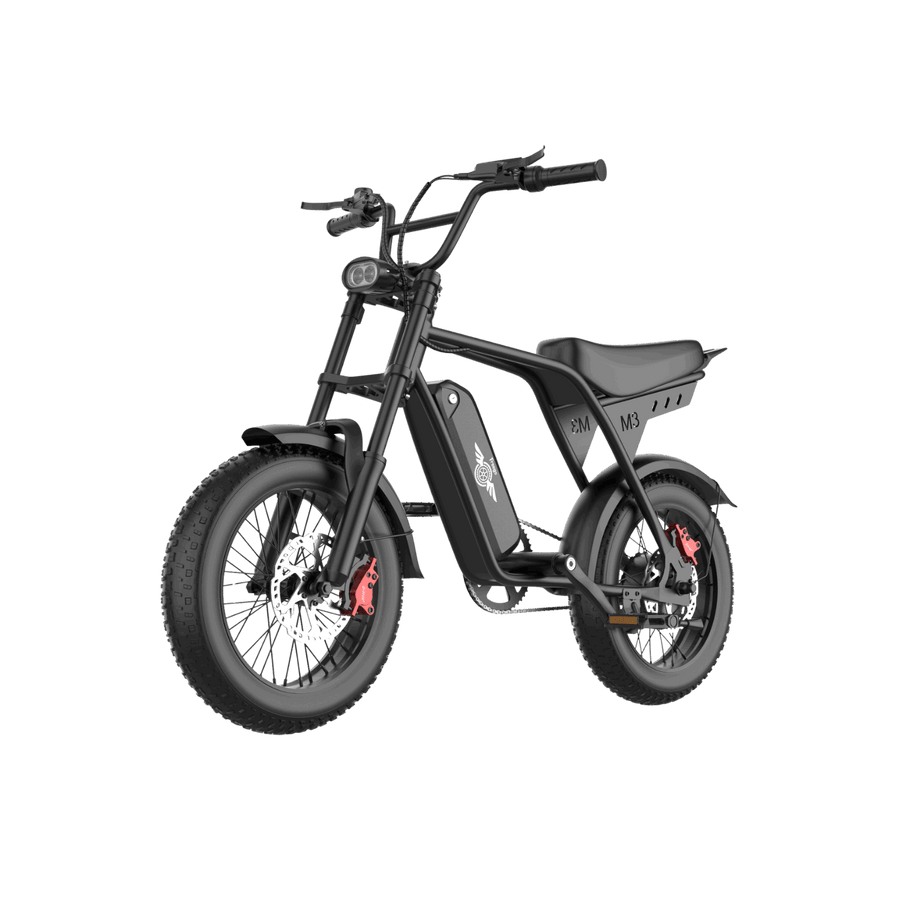
Freego Maxx M3
A compact Class 2 fat-tyre bike with a 600 W rated, 750 W peak motor and a 48V 13Ah battery, aimed at students and shorter riders.
- Genuinely Class 2, which matters legally
- Compact frame suits shorter riders
- Fat tyres for kerbs and gravel
- 600 W rated motor is enough for a campus
- Smaller battery than the rest of the range
- Fat tyres are slow and heavy on tarmac
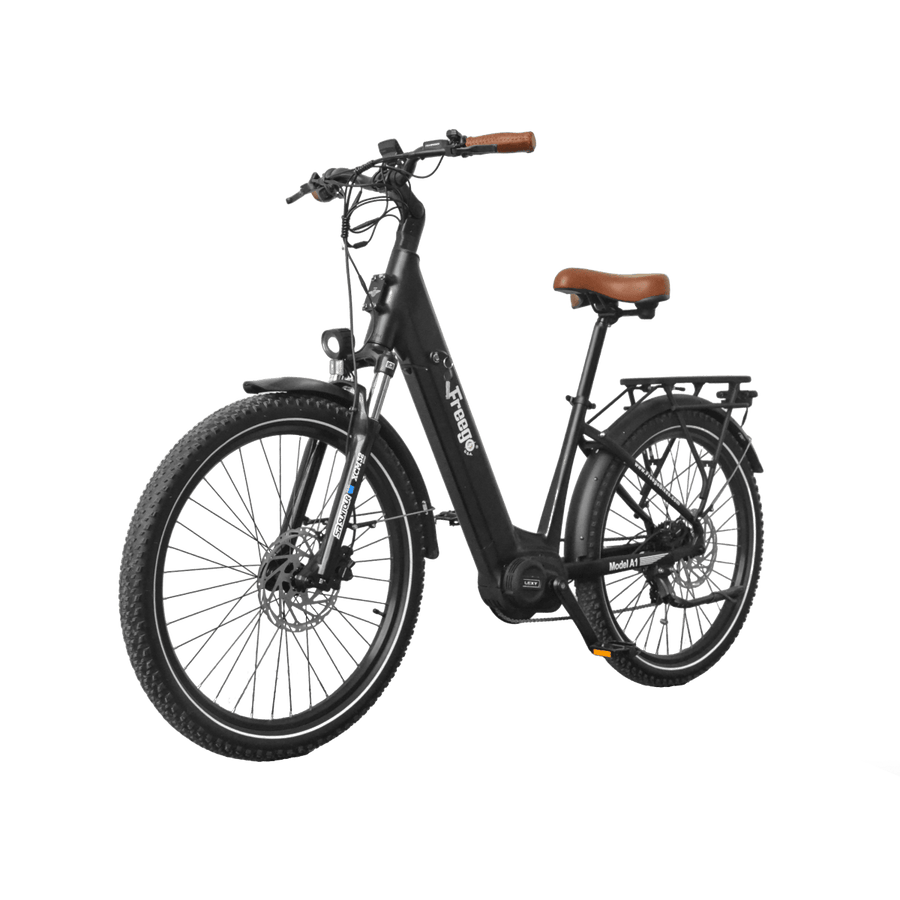
Freego City Flow A1
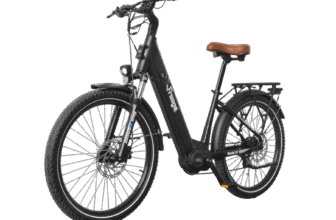
500 W nominal and 750 W peak, a 48V 15Ah (720 Wh) battery, up to 60 miles of claimed range, 120 Nm of torque and 28 mph.
- 720 Wh battery, up to 60 miles claimed
- 120 Nm torque handles hills
- 28 mph top speed
- Sized for city and light trail
- 28 mph puts it beyond Class 2 limits in many places
- Range claims assume low assist and flat ground
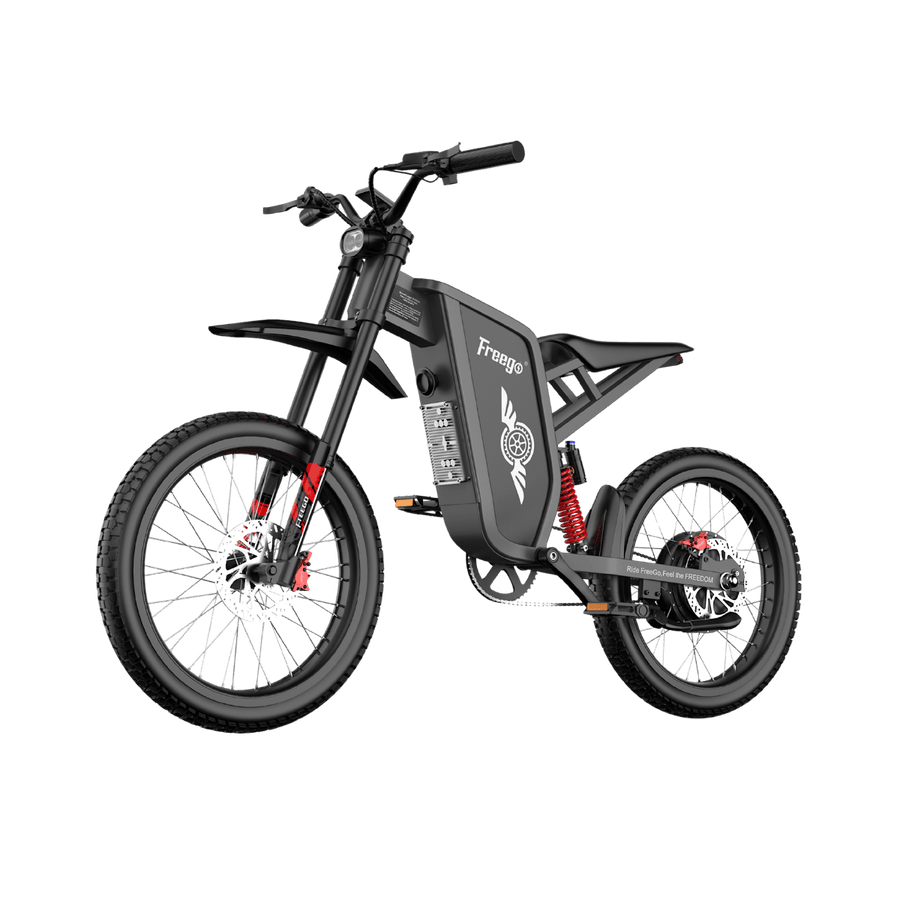
Freego X1 SE
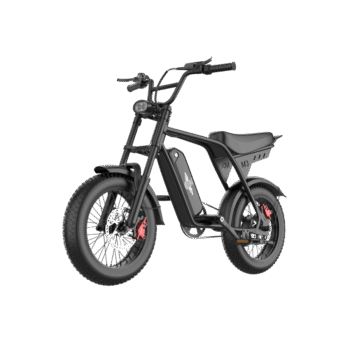
750 W nominal with a 60V 25Ah battery, pedal assist and throttle, configurable as Class 2 or Class 3.
- 60V 25Ah battery, large for this price point
- Pedal assist and throttle
- Configurable between Class 2 and Class 3
- Class 3 configuration is not legal on every path
- Heavy enough that carrying it upstairs is not happening
Parts and support
This is the part of the operation we would point to as the strongest signal. Hydraulic brake sets, rear shocks, throttles, Shimano drivetrain kits, controllers, cables, bearings, sprockets and axle hardware are all sold individually. A direct-to-consumer brand that stocks the boring parts is one that expects its machines to still be running in five years.
That matters more than it sounds, because the usual failure mode with cheap electric bikes is not a dramatic breakdown but a small part failing that nobody sells, at which point the whole machine becomes scrap. Before buying any direct brand, it is worth checking the parts list exists, and here it does.
Common questions
Are Freego bikes road legal?
Some are and some are not, and that is the single most important sentence in this review. The Maxx M3 is described as Class 2, which in most US states means road and path legal. The high-output dirt bikes are far above any bicycle threshold and should be treated as off-road machines unless you register them. Verify against your own local rules before ordering.
Is the battery certified?
Certification to a recognised standard is the question to ask the seller directly before buying any electric bike, from any brand, and to get the answer in writing. We are not going to state a certification status we have not verified. Treat it as a requirement rather than a nice to have.
How good is the claimed range?
Treat every manufacturer range claim across the whole industry as a best case measured in ideal conditions. A useful planning assumption is half the quoted figure in real riding with hills, wind and higher assist levels. Compare watt-hours rather than claimed miles when choosing between models.
Can I get spare parts later?
The catalogue currently lists a wide range of consumables and mechanical parts individually, which is a good sign. As with any direct brand, availability in three years is not something anyone can promise, so if long-term serviceability matters to you, favour models using standard components such as the Shimano drivetrain parts listed here.
The verdict
Freego is a reasonable place to buy an electric bike provided you know which category you are buying in. The specifications are published properly, watt-hours are stated rather than hidden, and the spare parts catalogue suggests a brand that expects its machines to be maintained. The serious reservation is that legal class is not made obvious, and the same collection contains a compliant commuter and an 8000 watt machine. Work out what is legal where you ride, choose the model that fits it, and ask about battery certification before you order.