 Victoria

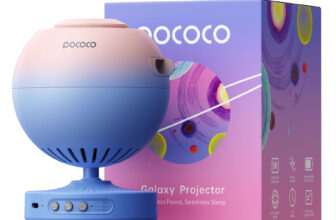
A galaxy projector is only as good as what you put in it. The hardware barely changes once you own it, but the disc decides whether the ceiling shows a sharp nebula, a calm moon, or a smear that makes you switch the thing off. POCOCO sells the projector with two discs in the box, and everything after that is an add-on decision.
This guide compares the disc sets on the two things that matter: how many discs you get, and what kind of image each set produces. We have not projected all of these ourselves, so nothing here is a hands-on test. The disc counts are the maker figures, and the judgements are about which kind of image suits which room, which is where most buyers go wrong.
The disc sets, ranked
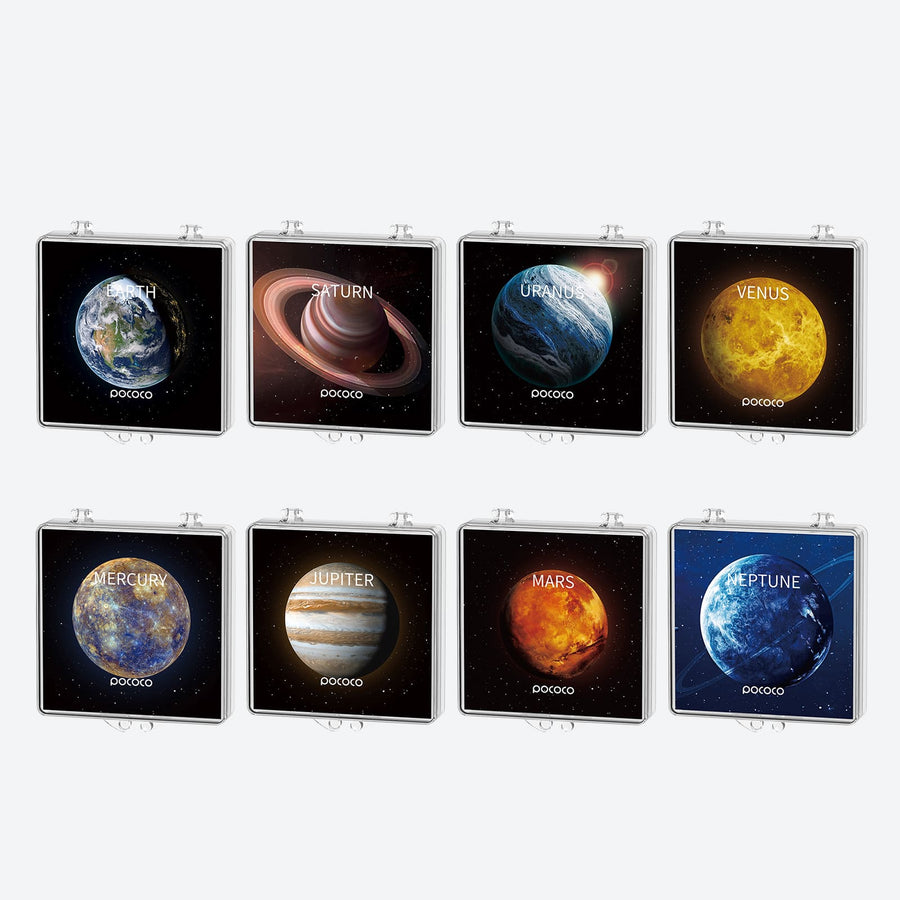
Immersive Planet (8 discs)
Eight discs of planets and deep-space imagery, the largest set in the range and the one that keeps a projector interesting longest.
- Eight discs, the most in any single set
- Planetary imagery reads clearly at normal ceiling distance
- Sold in a presentation box, so it works as a gift
- Some discs are far more impressive than others
- Planets are a stronger effect on a plain white ceiling
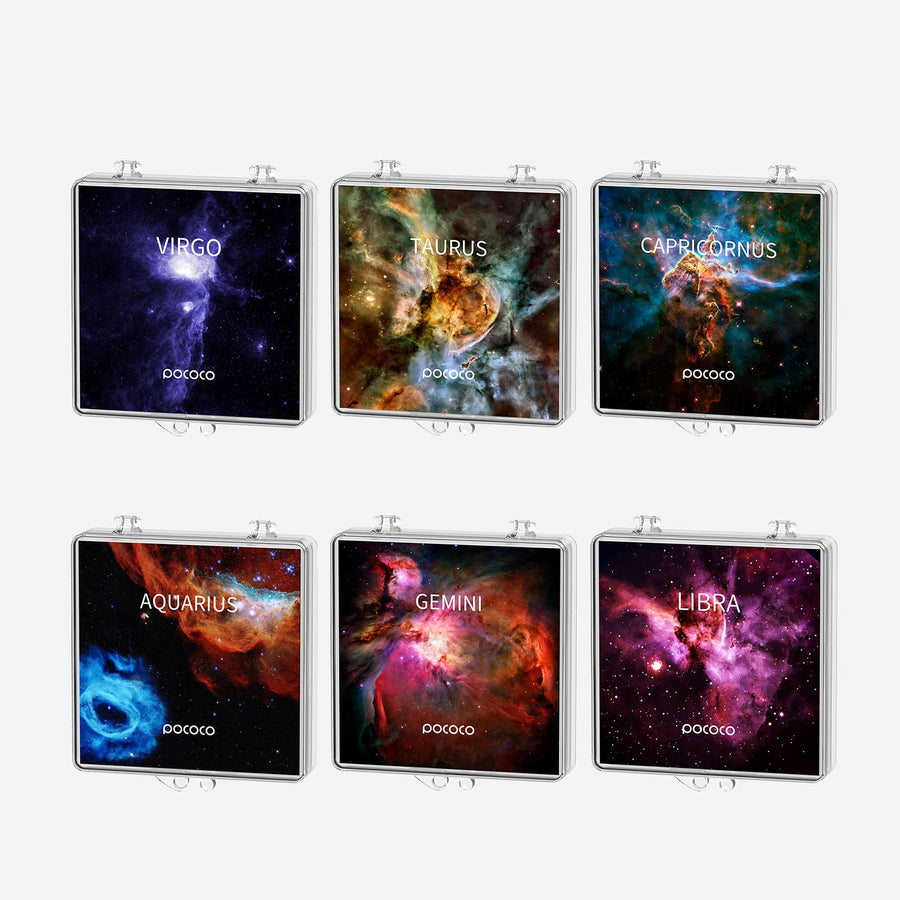
Realistic Constellation 1 (6 discs)
Six constellation discs, which is the closest this system gets to an actual star chart on your ceiling.
- Six discs in one set
- Recognisable constellations rather than abstract sparkle
- Pairs naturally with the Constellation 2 set
- Less dramatic than nebula imagery
- Fine star detail needs a dark room to read
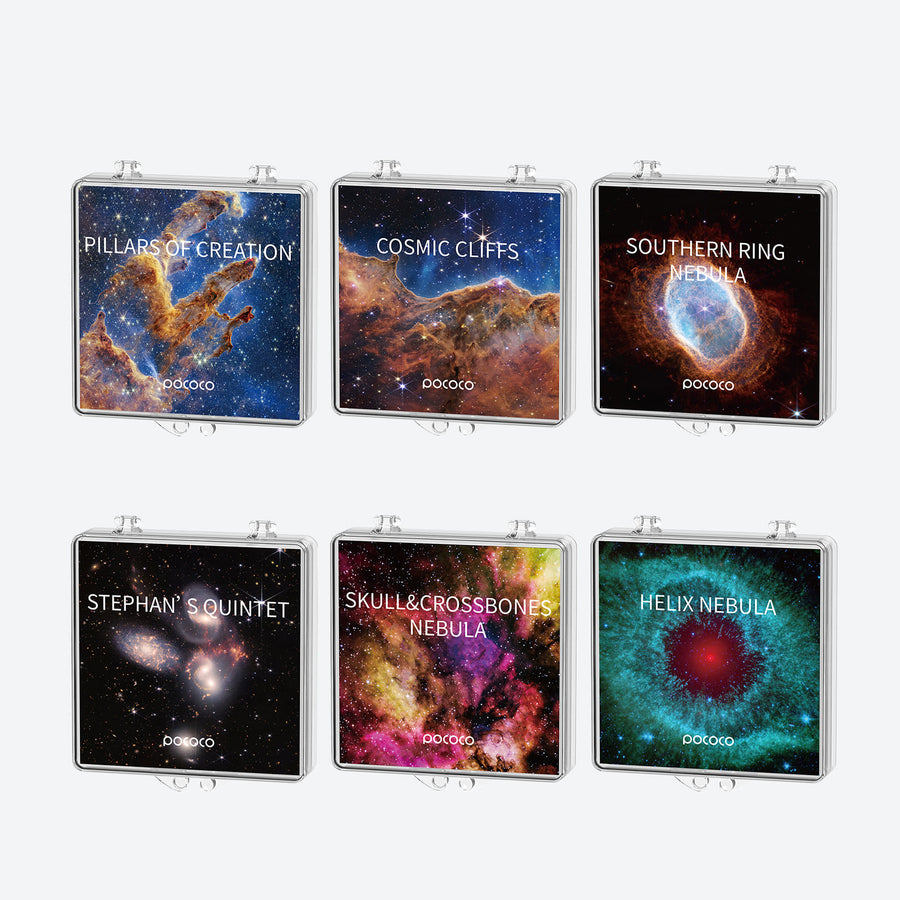
Fixed Star and Nebula (6 discs)
Six nebula and deep-field discs. If you have seen a galaxy projector photo that made you want one, it was probably this kind of image.
- Six discs, strong colour
- The most photogenic set in the range
- Works well at a shorter throw distance
- Colour-heavy images can look busy in a small bedroom
- Less restful than plain starfields if you use it to fall asleep
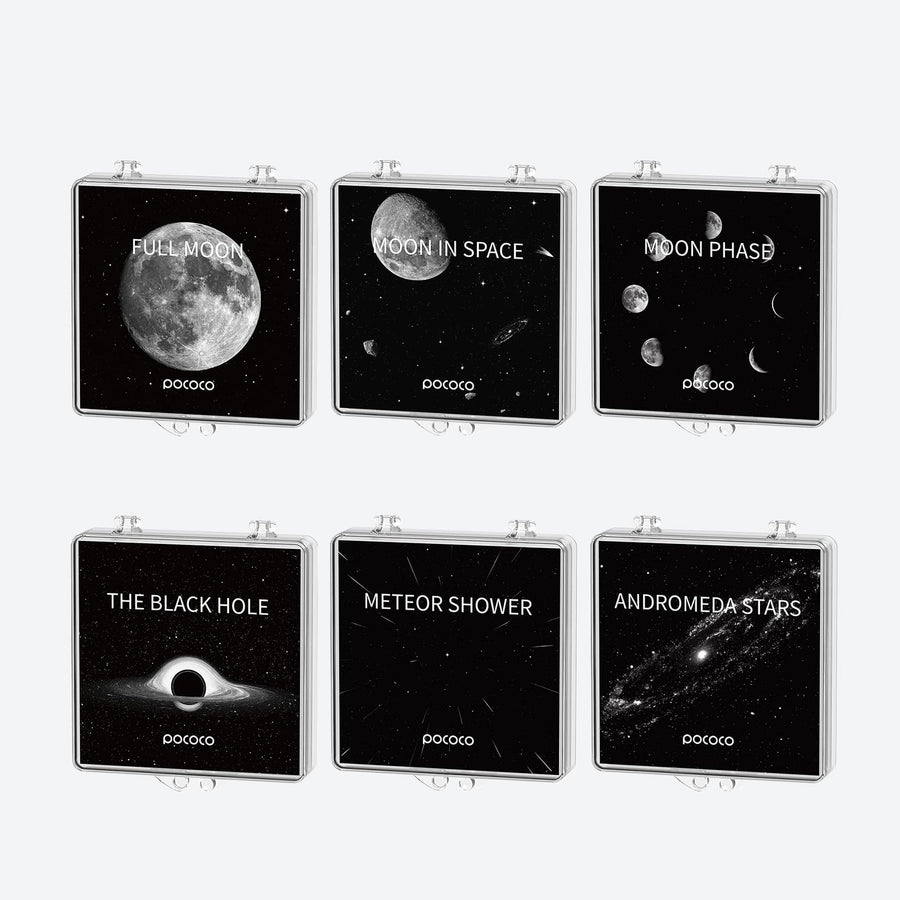
Moon and Stars (6 discs)
Six calmer discs built around the moon and simple starfields, which is the combination most people actually leave on.
- Six discs
- Calm enough to sleep under
- Moon imagery is the single most requested subject
- Less impressive as a demonstration piece
- Overlaps with the discs already in the box

Dreamy Nature (6 discs)
Six landscape and nature discs, for anyone who wants the effect without the astronomy.
- Six discs
- A different look from every other set
- Suits a living room better than deep space does
- Landscape images depend more on a flat, pale ceiling
- Not what most people buy a galaxy projector for
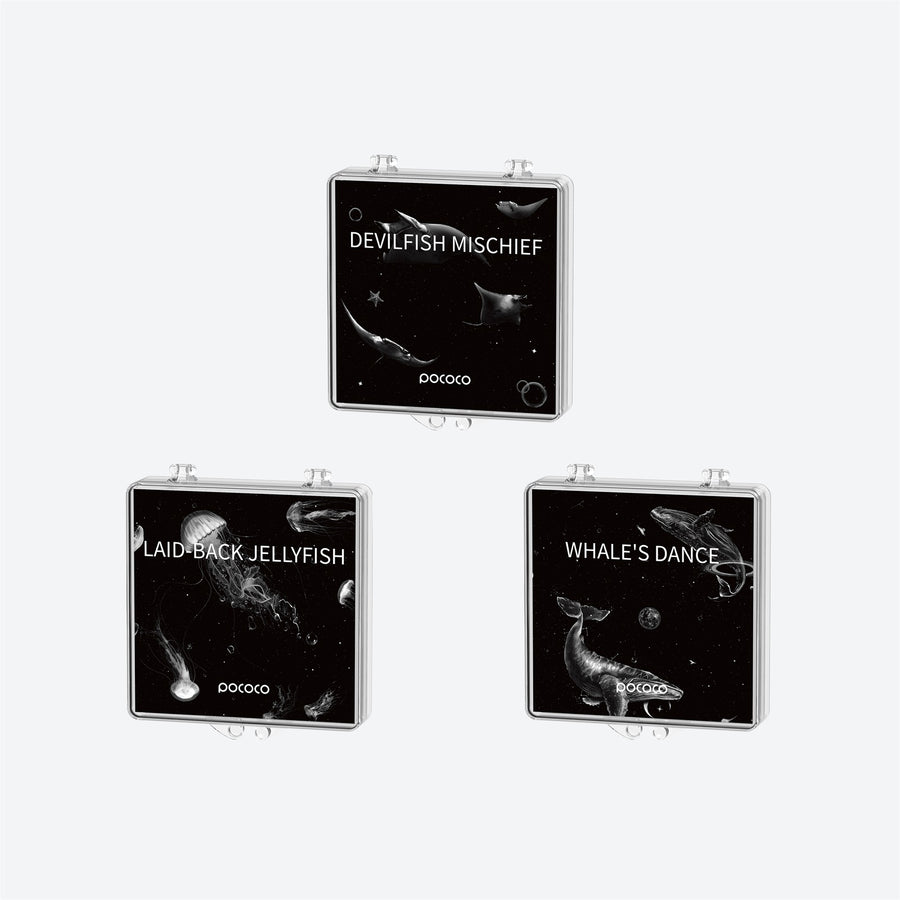
Deep Sea Marvels (3 discs)
Three underwater discs, which children reliably prefer to nebulae.
- Three discs, ocean subjects
- The set children actually ask for
- Small enough to be a stocking gift
- Only three discs
- Narrow theme, so it gets repetitive faster
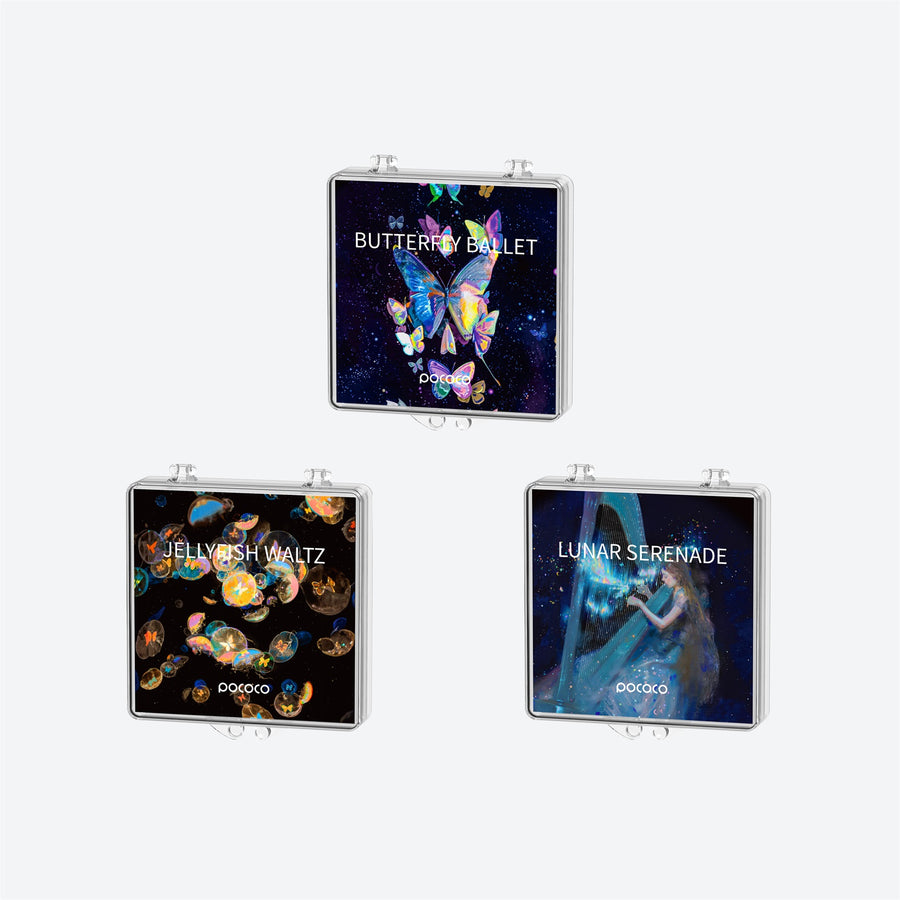
Enchanted Harmonies (3 discs)
A three-disc set with a softer, illustrative style rather than photographic space imagery.
- Three discs
- Illustrative look, unlike the photographic sets
- Inexpensive way to broaden the rotation
- Only three discs
- Style will not suit people who wanted realism
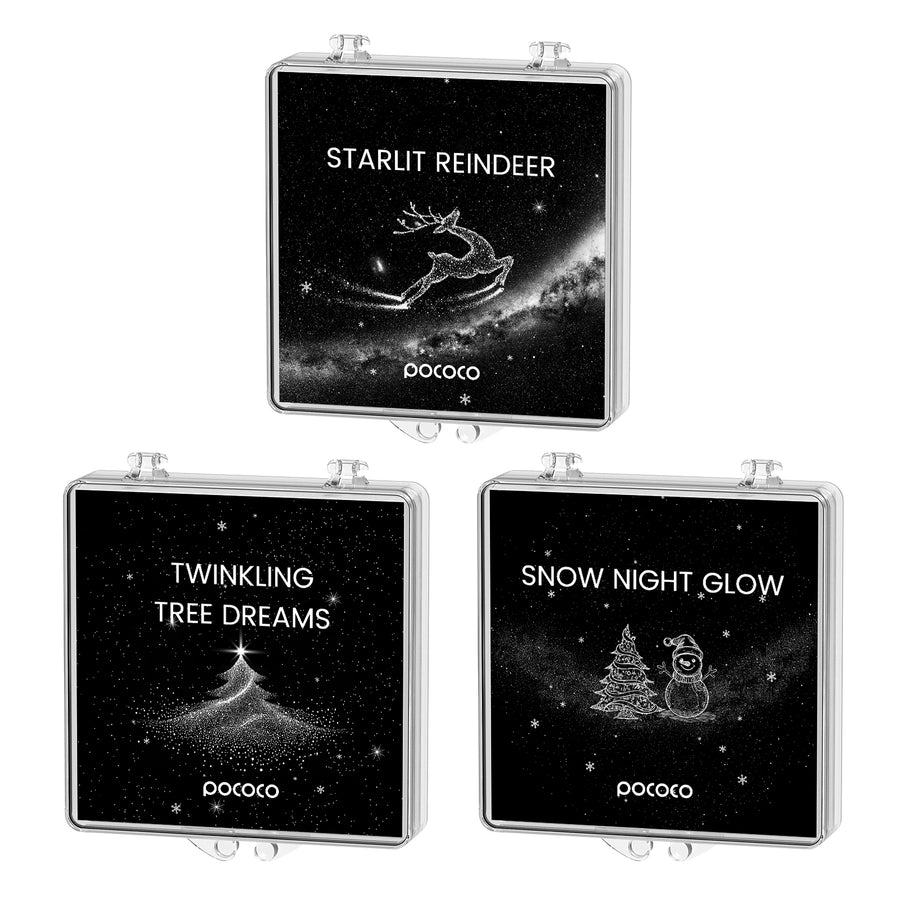
Starlit Christmas (3 discs)
Three festive discs. Genuinely good for a fortnight in December and in a drawer for the rest of the year.
- Three discs
- Turns the projector into holiday decoration
- Obvious gift for an existing owner
- Only three discs
- Seasonal, so it sits unused most of the year
How we compared them
There is no independent rating for individual disc sets, and we do not invent scores. The two published facts that decide value are the number of discs in a set, which ranges from three to eight here, and the subject. Everything else is judgement about how a given kind of image behaves once it is thrown onto a real ceiling in a real room.
We also assumed you already own the projector, or are buying it at the same time. The unit ships with a Diamond Stars disc and a Westerlund 2 disc, so the first add-on set should widen the range rather than repeat what you have.
1. Immersive Planet (8 discs)
Eight discs in one box is the most content POCOCO sells in a single set, and for a projector whose entire interest depends on having something new to put in it, that matters more than the subject. Planets and deep-space fields are also the images that survive being looked at repeatedly, because there is detail to find rather than a single effect.
Two honest notes. The quality across eight discs is not uniform: two or three will become the ones you actually load, and the rest will sit in the case. And planetary imagery rewards a plain, pale ceiling; over a textured or coloured one it loses a lot of the definition that makes it worth having.
2. Realistic Constellation 1 (6 discs)
This is the set to buy if what you wanted was a night sky rather than a light show. Six discs of recognisable constellations turn the projector into something closer to a planetarium, which is a different and quieter pleasure than a nebula.
It is also the least dramatic set in the range on first switch-on, and fine star detail needs a properly dark room to read at all. If you leave a hallway light on, this is not the set you will reach for. There is a second constellation set in the range, so this is one you can extend if it lands.
3. Fixed Star and Nebula (6 discs)
If a photograph is what made you want a galaxy projector, it was almost certainly a nebula. These six discs are the ones that produce that image: dense colour, depth, and an effect that fills a ceiling rather than dotting it.
That strength is also the limitation. Strong colour in a small bedroom can feel busy rather than calming, and it is a poor choice if the plan was to fall asleep under it. Use the nebula discs when people are over and the calmer sets the rest of the time.
4. Moon and Stars (6 discs)
Moon and simple starfields are, in practice, what most owners leave running. Six discs of it is the set that gets the most hours, because it is restful rather than demanding, and because the moon is the single subject almost everyone wants to see on a ceiling.
It is the least impressive set to demonstrate to a visitor, which is a fair trade for being the one you actually use. Check what came in your projector box first, though: the unit ships with two discs already, and there is some overlap in subject if not in image.
5. Dreamy Nature (6 discs)
Not everyone who wants a projected ceiling wants astronomy. Six landscape and nature discs give you the same effect with a completely different subject, and in a living room they tend to sit better than deep space does.
They are more demanding of the surface, though. Landscape imagery has large areas of continuous tone, so a textured ceiling or an off-white colour shows up far more than it does with a starfield. If your ceiling is not smooth and pale, buy one of the star-based sets instead.
6. Deep Sea Marvels (3 discs)
Children are consistent about this: given a choice between a nebula and a turtle, they pick the turtle. Three underwater discs is a small set, and it is the one most likely to get used in a child bedroom night after night.
Three is genuinely few, and a narrow theme runs out of novelty faster than a broad one. As a first add-on for a child room it is the right call; as the only add-on you buy, it will be exhausted within a month.
7. Enchanted Harmonies (3 discs)
The Enchanted Harmonies discs are illustrated rather than photographic, which gives the projector a softer, storybook look. It is the clearest stylistic departure in the range and worth knowing about if the realistic sets feel too clinical for the room.
It is a three-disc set, so treat it as a top-up rather than a foundation. And the style is polarising: buyers who chose this projector because the imagery is photographed from real astronomy data will not want it.
8. Starlit Christmas (3 discs)
A three-disc Christmas set is exactly what it sounds like, and it does the job well for the two or three weeks it is relevant. Loaded in December it turns an existing projector into part of the decoration, which is a better use of a gadget than buying another decoration.
The rest of the year it is in a drawer. That makes it a poor first purchase and a very easy gift for somebody who already owns the projector and has the obvious sets covered.
If you have not bought the projector yet, start with our POCOCO galaxy projector review, which covers the hardware and who should skip it.
Your ceiling matters more than the disc
This is the part nobody mentions until after the purchase. These projectors throw a single focused image, so the surface is effectively the screen. A smooth, matte, pale ceiling gives you the images you saw in the marketing. Artex, heavy texture, a dark paint colour or a sloped ceiling will cost you contrast and detail, and no disc fixes that.
Distance matters too. Moving the unit closer gives a smaller, brighter, sharper image; further away gives a larger, dimmer one. Nebula discs tolerate a longer throw because they are broad areas of colour. Constellation and landscape discs, which depend on fine detail, do not. If your room is large and your ceiling is high, favour the nebula sets.
How many sets do you need
Honestly, fewer than you will be tempted to buy. Most owners settle into two or three discs they use and leave the rest in the case. If you are buying one set, make it a six or eight-disc one so the odds of finding a favourite are higher. If you are buying for someone else, the eight-disc Immersive Planet set is the safest gift because it covers the widest ground.
The three-disc sets make sense as second or third purchases, aimed at a specific need: a child bedroom, a different visual style, or December. As a first purchase they run out of novelty quickly.
Common questions
Do the discs fit any galaxy projector?
No. These are made for the POCOCO projector and its disc slot. Discs from other star-projector systems are a different size and format, so treat the disc range as part of buying into one system rather than as a universal accessory.
How many discs come with the projector?
The projector ships with two: Diamond Stars and Westerlund 2, along with a USB-C cable, a user manual poster and a postcard. That is enough to see what the system does, and not enough to keep it interesting for long, which is why the disc sets exist.
Which set should I buy first?
If you want the best odds of finding a disc you use every night, the eight-disc Immersive Planet set. If you know you want a calm bedroom light rather than a display piece, Moon and Stars. If you want the version that makes visitors ask about it, Fixed Star and Nebula.
Are these good for helping a child sleep?
The calmer sets can work as a bedtime routine, and the projector has a sleep timer. Two sensible cautions: a bright, high-contrast image is stimulating rather than soothing, so favour moon and starfield discs over nebulae, and any light source in a bedroom should be on a timer rather than left running all night. If a child has ongoing sleep problems, that is a conversation for their doctor rather than a lighting purchase.
The short version
Buy one large set rather than three small ones. Immersive Planet if you want breadth, Moon and Stars if you want something you will leave on, Fixed Star and Nebula if you want the version that photographs well. Then stop, use it for a month, and see whether you reach for a fourth disc at all before buying more.