 Victoria

The lightweight gaming mouse market has settled into a strange place. Everyone now uses one of three or four sensors, wireless latency stopped being a problem years ago, and the specification sheets have converged to the point of being useless for choosing. What still differs, and what actually decides whether you like a mouse, is weight, shape and how the shell is built.
ATK, which also sells under the VXE Dragonfly name, makes a lot of these. Below are eight, sorted by the hand and the grip each one suits rather than by the biggest number on the box. We have not used these, so nothing here is a hands-on test; the weights, sensors and dimensions are published figures, and the judgements are about what those choices mean in practice.
The picks
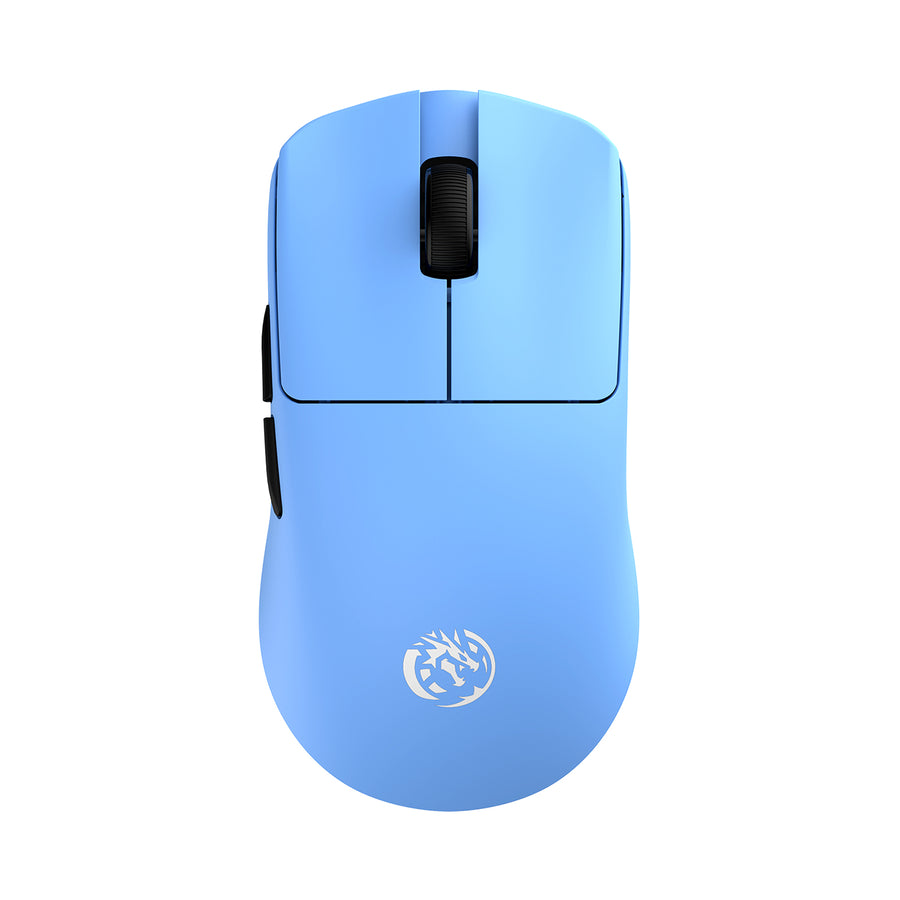
ATK Blazing Sky F1 V3
36 g hole-free shell, PAW3955 Master sensor and a Nordic 54 series MCU, developed with an esports team rather than in a marketing department.
- 36 g with no holes in the shell
- PAW3955 Master flagship sensor
- Nordic 54 series MCU
- Five colours
- Shape is tuned for claw and fingertip grips
- 36 g feels unsettlingly light until you adjust
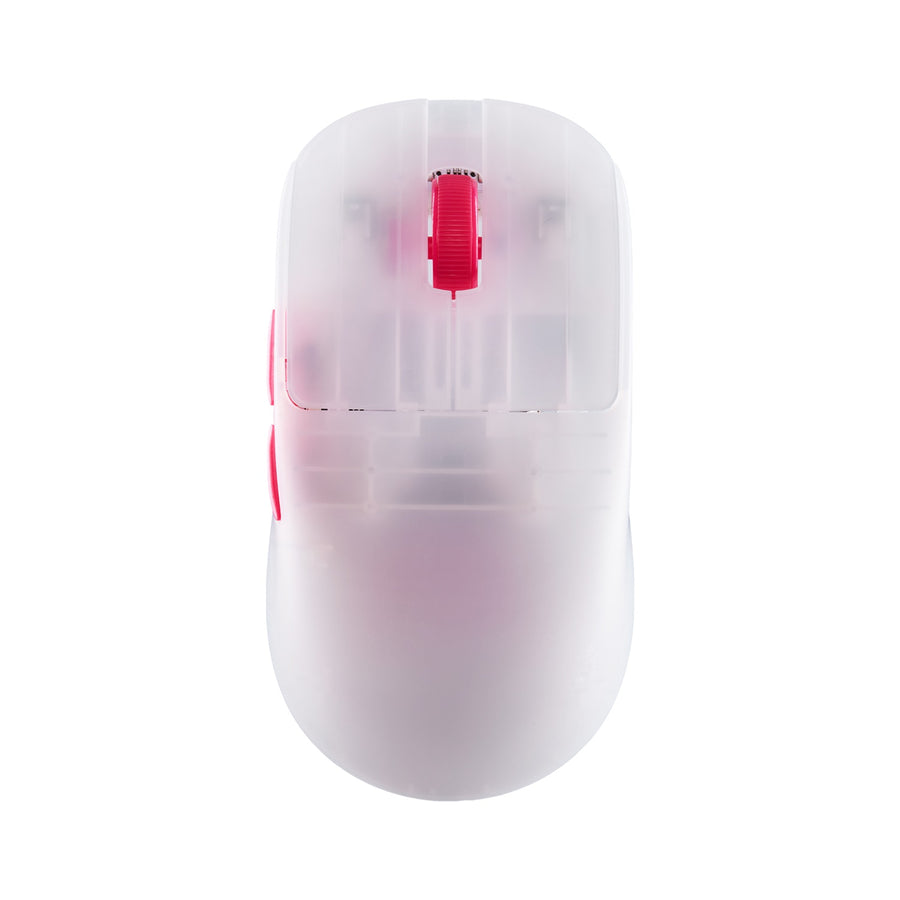
ATK Blazing Sky ZERO
39 g with a solid frosted translucent shell and nano coating, PAW3950 Ultra sensor, dual 8K wireless.
- 39 g with no cutouts at all
- Nano coating instead of grip tape
- PAW3950 Ultra sensor
- Four model tiers and five colours
- Translucent shells show wear and dust
- Four sub-models make choosing harder than it needs to be
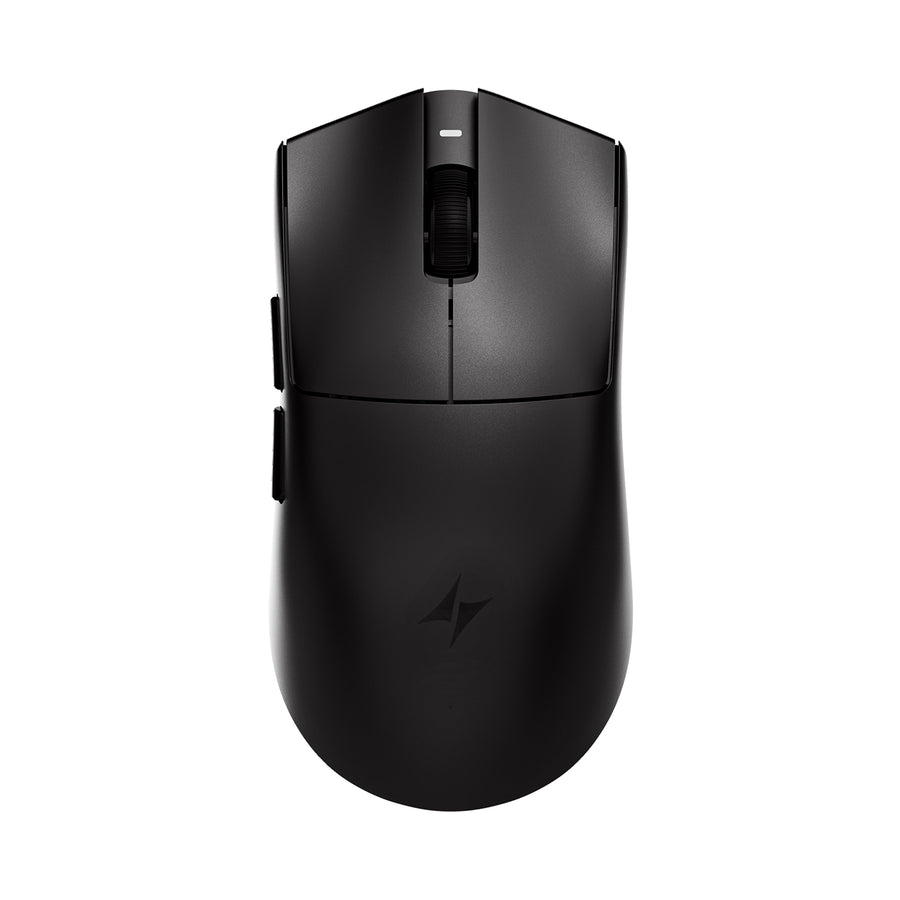
ATK Blazing Sky X1 V2
48 g with the PAW3955 Master sensor, 75 G acceleration, 850 IPS tracking and up to 50,000 DPI.
- 850 IPS and 75 G acceleration
- Up to 50,000 DPI
- Five model tiers to match budget
- Heavier than the featherweights, which suits palm grips
- 50,000 DPI is a number, not a benefit
- Five sub-models is genuinely confusing
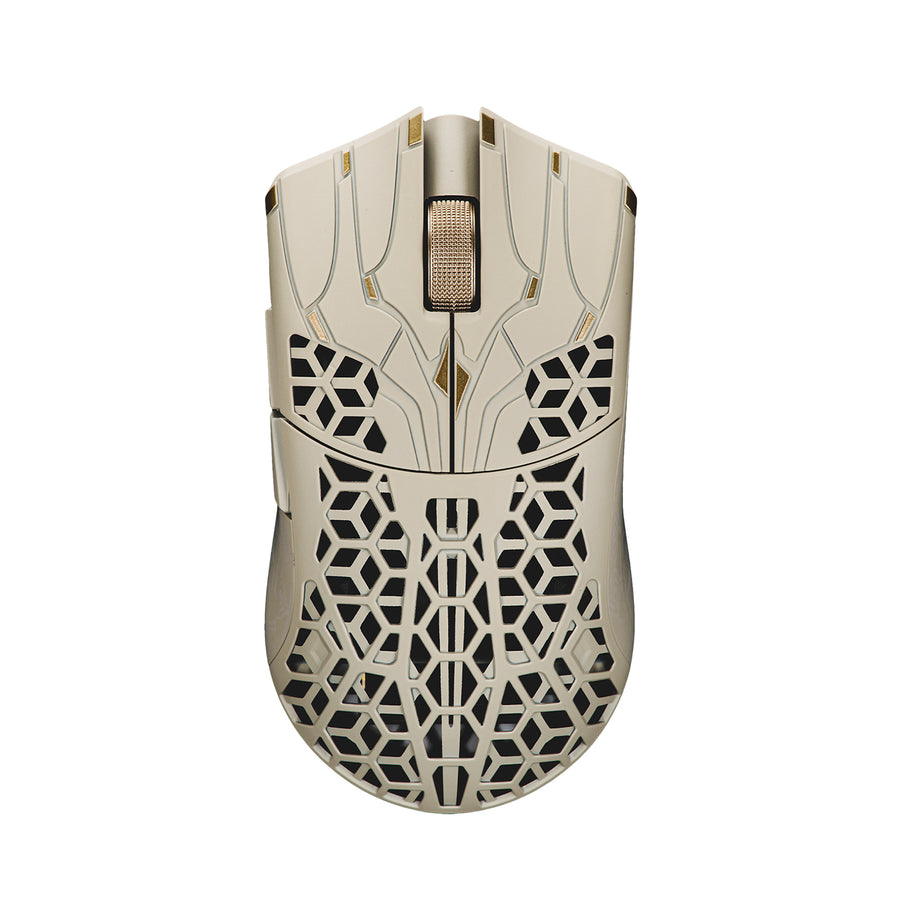
ATK Blazing Sky Phantom
44 g carbon fibre composite with a staggered cutout pattern, a 3955 Master sensor and a quoted 0.174 ms click latency.
- 44 g in a mid-size ergonomic shell
- Carbon fibre composite construction
- 0.174 ms quoted click latency
- Four colourways
- Cutout shells collect dust and sweat
- Composite shells are harder to repair if cracked
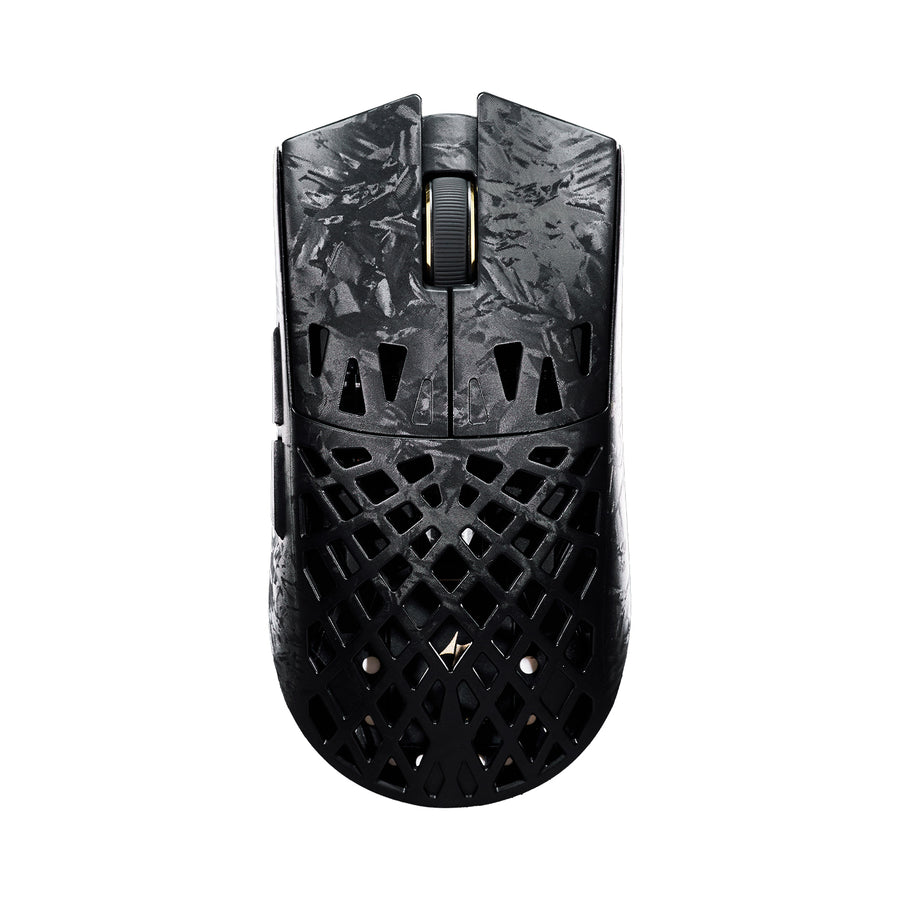
ATK Blazing Sky Ghost
The X1 shape shrunk down in hollowed carbon fibre composite, aimed at medium and small hands across all grip styles.
- Smaller X1 shape for medium and small hands
- Carbon fibre composite shell
- Ships with a carrying case
- Four model tiers
- Hollow shells are a taste, not an upgrade
- Small shape is wrong for large hands
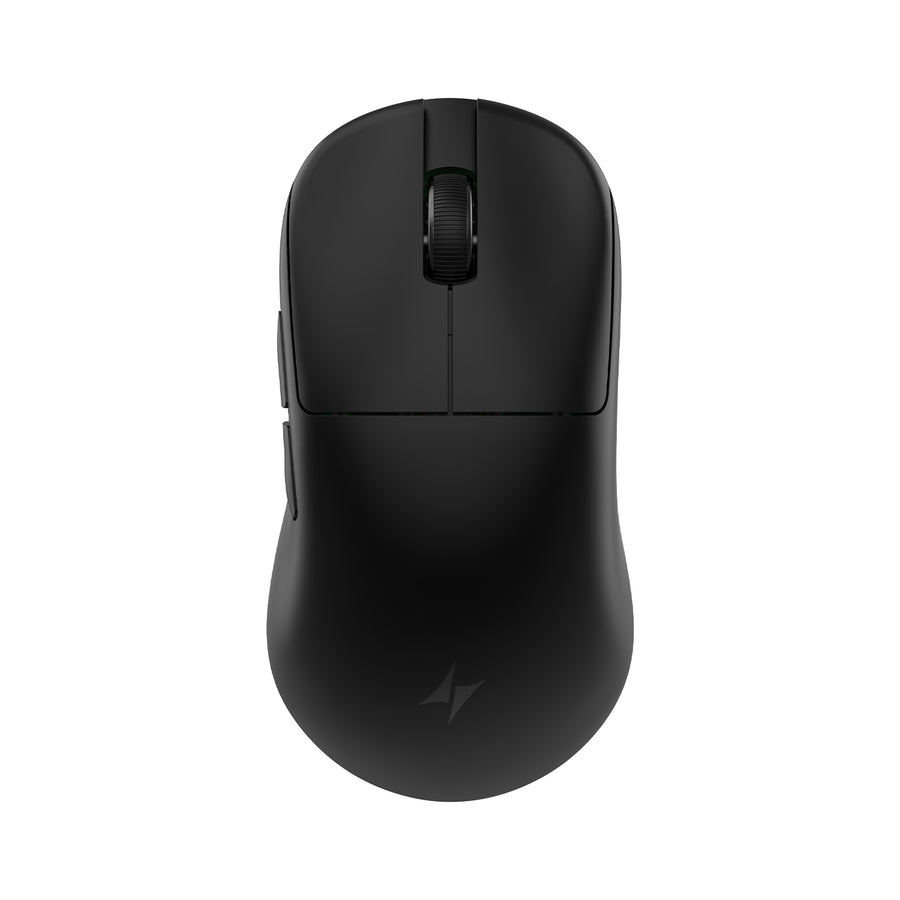
ATK Blazing Sky U2 V2
The same mouse in two physical sizes, Ultimate and Mini, which removes the usual gamble on hand fit.
- Two genuine size options
- Four colours
- Superlight shell
- Two sizes still will not fit every hand
- Fewer headline specifications than the X1 or F1
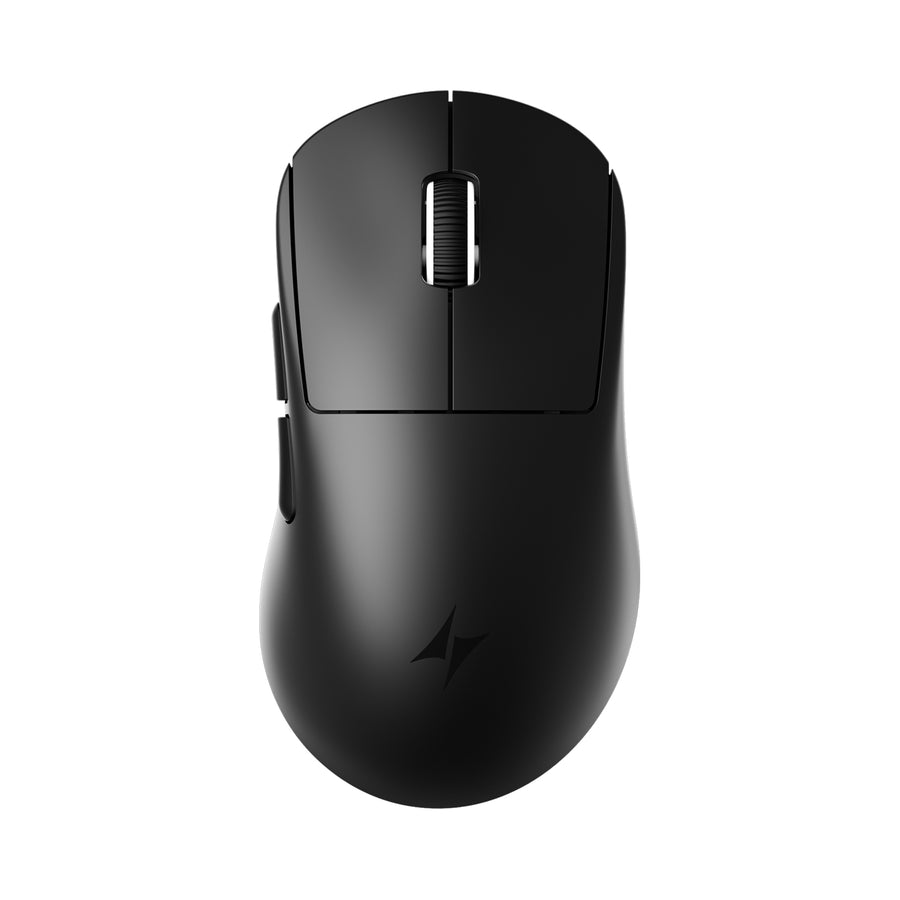
ATK Dragonfly Y9
A right-handed ergonomic shell with a contoured back and asymmetrical rear, built for long sessions rather than for the lowest possible weight.
- Proper right-handed ergonomic shape
- Thumb support for palm grip
- Two model tiers
- Right-handed only
- Ergonomic shells are always heavier than symmetrical ones
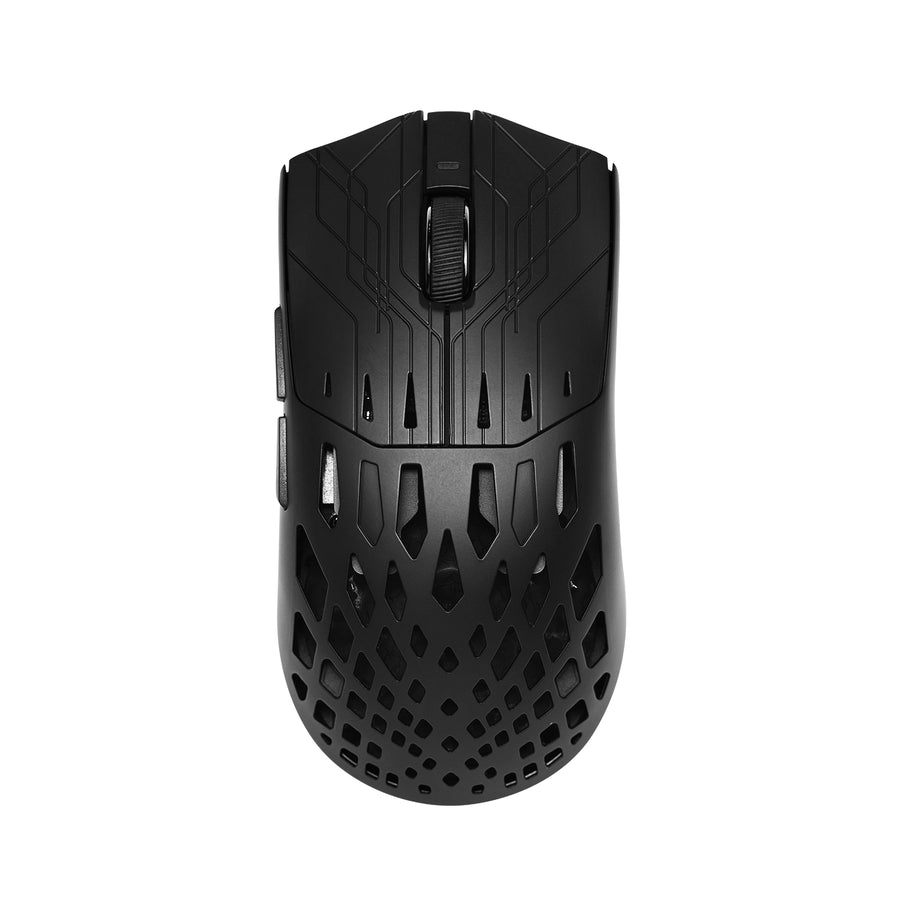
VXE Dragonfly X3
From 51 g, with a replaceable 300 mAh battery, tri-mode connectivity and a magnetic charging dock. The Turbo adds RGB and a vented shell.
- Replaceable 300 mAh battery, rare in this category
- Tri-mode connectivity
- Magnetic charging dock
- Three model tiers
- 51 g is heavy by this brand standards
- RGB on the Turbo costs battery life for no performance gain
How we chose
We did not rank these by sensor, because at this level the sensors are close enough that no player will feel the difference. We ranked by the things that do differ: mass, shell construction, shape family and size. One model per shape, rather than five tiers of the same mouse.
We also called out where a published number is meaningless. Fifty thousand DPI appears on several of these and nobody plays anywhere near it. Where a specification does matter, such as IPS tracking speed for low-sensitivity players, we said why.
1. ATK Blazing Sky F1 V3
The F1 V3 is the mouse we would point most competitive players at, and the reason is the shell rather than the sensor. At 36 g with no cutouts it reaches featherweight mass without the honeycomb pattern that lets sweat and dust into the body, which is the failure mode that ends a lot of ultralight mice.
The internals match: a PAW3955 Master sensor and a Nordic 54 series MCU are flagship parts. It was developed with an esports team, which usually means marketing but here shows up in the shape, tuned for claw and fingertip grips rather than palm. If you rest your whole hand on a mouse, look at the Y9 instead. And be warned that 36 g feels wrong for the first hour.
2. ATK Blazing Sky ZERO
If the F1 shape does not suit you, the ZERO is the other end of the same idea: 39 g, a solid frosted translucent shell, and a nano coating instead of the grip tape most ultralights expect you to apply yourself. That coating is a genuinely good detail, because grip tape wears out and looks terrible within a month.
The PAW3950 Ultra sensor and dual 8K wireless cover the performance side. Two practical notes. Translucent shells show dust and skin oil in a way opaque ones do not, so it will look grubbier sooner. And there are four sub-models here, ZERO through ZERO Extreme+, which is a lot of decision for one product line.
3. ATK Blazing Sky X1 V2
On paper this is the most capable mouse in the range: 48 g, the PAW3955 Master sensor, 850 IPS tracking, 75 G acceleration and up to 50,000 DPI. Two of those numbers matter and one does not.
850 IPS and 75 G are real: they describe how fast you can move the mouse before tracking breaks down, and low-sensitivity players who swipe across a whole pad genuinely hit those limits on cheaper sensors. 50,000 DPI is a marketing number; nobody plays above a few thousand. At 48 g it is also more substantial than the F1 and ZERO, which suits palm grips better. Five sub-models is too many.
4. ATK Blazing Sky Phantom
The Phantom is the mid-size option, and mid-size is what most hands actually want. 44 g in a carbon fibre composite shell with a staggered cutout pattern rather than a uniform honeycomb, a 3955 Master sensor, and a quoted click latency of 0.174 ms.
Composite construction is the interesting part: it is how you get a rigid shell at very low weight without the flex that plagues thin plastic ultralights. The trade-off is ordinary. Cutouts let dust and sweat into the body, and a cracked composite shell is not something you repair at home. If you play in a warm room, the solid-shell ZERO or F1 will age better.
5. ATK Blazing Sky Ghost
The Ghost is the X1 shape scaled down, in hollowed carbon fibre composite, and it exists for a group that is usually ignored: people with medium to small hands who want a flagship rather than an entry model. Shape fit matters far more than sensor specification, and most ultralight mice are designed around large hands.
It ships with a carrying case, a small detail that suggests the audience is people who take a mouse to events. The caveats match the Phantom: hollowed shells are a preference rather than an improvement, and if your hands are large this is simply the wrong mouse.
6. ATK Blazing Sky U2 V2
The U2 V2 solves the problem the rest of the category ignores: you cannot tell whether a mouse fits until it arrives. Here the same design comes in two physical sizes, Ultimate and Mini, so the choice is made before you buy rather than after.
It is not the specification leader in this range and does not pretend to be. What it offers is the single most useful feature in a mouse purchase, which is the right size. Two sizes still will not fit everyone, and if you are between them you are back to guessing, but it is a better starting point than one size and hope.
7. ATK Dragonfly Y9
Not everyone wants a symmetrical featherweight. The Y9 is a proper right-handed ergonomic shell with a contoured back and an asymmetrical rear that supports the palm and the thumb, designed for long sessions rather than for the lowest number on a scale.
That is a legitimate and under-served choice. If your hand aches after three hours on a flat symmetrical mouse, weight is not your problem and shape is. Two limitations follow from the design: it is right-handed only, and an ergonomic shell can never be as light as a symmetrical one, so it will not win a weight comparison.
8. VXE Dragonfly X3
The X3 is the practical one. It starts at 51 g, heavy in this company, and in exchange it has a replaceable 300 mAh battery, tri-mode connectivity and a magnetic charging dock. A user-replaceable battery in a wireless gaming mouse is genuinely rare and it is the difference between a three-year product and a five-year one.
The X3 Turbo adds RGB lighting and a vented shell. Our view is that RGB on a wireless mouse costs battery life and adds nothing to how you play, so the plain X3 or X3 Pro is the better buy. If you keep peripherals a long time, the replaceable battery is worth the extra grams.
For a wider view of the brand, including why its sub-model naming is so confusing, read our ATK Gaming review.
Weight, shape and grip
Weight is the specification everyone chases and the one with the most obvious diminishing returns. Going from 90 g to 60 g is transformative. Going from 45 g to 36 g is a preference, and for some players a downgrade, because a mouse that is too light is harder to stop precisely at the end of a flick.
Shape matters more, and it depends on grip. Palm grip, where the whole hand rests on the mouse, wants a taller contoured shell and tolerates more weight, which is the Y9. Claw grip, fingers arched, wants a medium shell with a defined hump, which is the Phantom or the X1. Fingertip grip wants the smallest and lightest thing available, which is the F1 or the ZERO. Buy for your grip before you buy for a number.
Which specifications matter
IPS, or inches per second, is the speed at which the sensor stops tracking accurately. If you play at low sensitivity and move the mouse across the whole pad to turn, you can exceed a cheap sensor limit; 850 IPS effectively removes that ceiling. Acceleration in G is the same idea for how sharply you can change direction.
Polling at 8000 Hz reduces the interval between position reports from one millisecond to an eighth of that. It is measurable, it matters most in fast-tracking games, and it costs battery. DPI above a few thousand is irrelevant; the tens-of-thousands numbers exist for spec sheets. Click latency figures such as the 0.174 ms quoted on the Phantom are worth comparing between models from one maker and worth ignoring across brands, because nobody measures them the same way.
Common questions
Are holes in the shell a problem?
They are a trade. Cutouts remove weight and let the shell breathe, which some players prefer in a warm room. They also let dust, crumbs and sweat inside, and over a couple of years that is the most common reason an ultralight mouse starts misbehaving. Solid-shell designs like the ZERO and F1 avoid it at the same weight, which is why they are the safer buy.
What is the difference between ATK and VXE?
They appear in the same catalogue, and the VXE Dragonfly line sits slightly below the ATK Blazing Sky flagships in specification while offering things the flagships do not, such as the replaceable battery on the X3. Treat them as two lines from one source rather than separate brands.
Do I need 8K polling?
If you play competitive shooters at a high level it is a real if small advantage. For everything else it drains battery for no benefit you will notice. Most of these mice let you set a lower rate, so it is not a reason to avoid a model, just not a reason to choose one.
How do I know the shape will fit?
Measure your hand from the base of the palm to the tip of the middle finger and compare it to the mouse length. Broadly, under 17 cm suits small shells like the Ghost or the U2 Mini, 17 to 19 cm suits mid-size shells, and above that wants a large ergonomic shape. It is rough, and far better than guessing from photographs.
The short version
Competitive player, claw or fingertip grip: the F1 V3 or the ZERO, both solid shell. Palm grip or long sessions: the Dragonfly Y9. Small hands: the Ghost or the U2 V2 Mini. Not sure about size: the U2 V2, because it comes in two. And if you intend to still be using this mouse in five years, the VXE Dragonfly X3 with its replaceable battery is the only one here designed for that.